AI Girlfriend The Hill's Take What We Know Now
The Hill's op-ed claimed AI girlfriends worsen loneliness in men, sparking backlash. We analyze the ai girlfriend the hill report, expert critiques on its psychology, and the public's response to its controversial take.


A recent op-ed ignited a significant online debate. The article, titled "AI girlfriends are ruining an entire generation of men," made a controversial claim about technology and isolation.
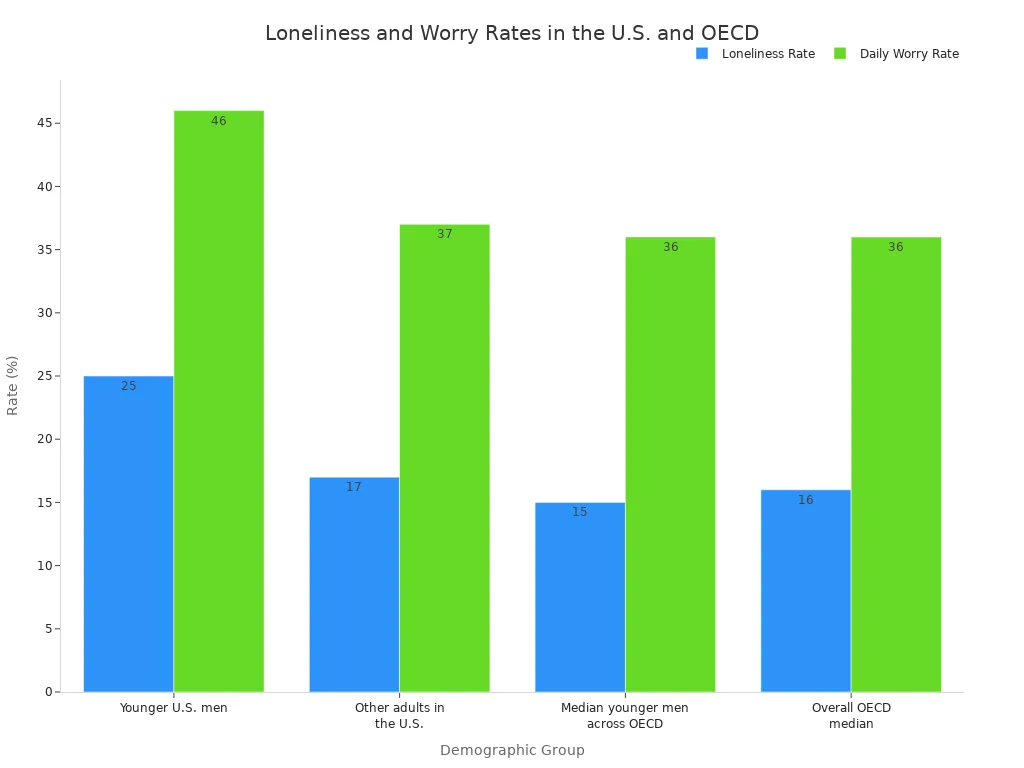
The piece argues that AI companions worsen a real problem: a "silent epidemic of loneliness" affecting young men.
This discussion is timely. The AI companion market is projected to reach USD 290.8 billion by 2034. This blog post breaks down the claims from the ai girlfriend the hill piece. It analyzes the public backlash and explores the broader conversation about digital companionship.
Dissecting the 'AI Girlfriend The Hill' Op-Ed
The op-ed from The Hill presents a strong, specific argument. It connects the rise of AI companions directly to a crisis of loneliness and its potential economic fallout. This section breaks down the article's main points, its alarming tone, and its depiction of users.
The "Silent Epidemic of Loneliness"
The core argument of the ai girlfriend the hill piece is that these platforms are not a harmless pastime. Instead, the author argues they actively worsen social isolation among young men. The op-ed suggests AI girlfriends provide an easy substitute for the challenges of real-world relationships. This enables men to retreat further from social interaction.
Professor Liberty Vittert, the author, frames the issue with a sense of urgency. She connects personal loneliness to broader societal consequences.
*While the concept of an AI girlfriend may seem like a joke, it really isn’t that funny. It is enabling a generation of lonely men to stay lonely and childless, which will have devastating effects on the U.S. economy in less than a decade.*
The article supports this claim with several alarming statistics. It paints a picture of a generation where men are increasingly single and socially disconnected compared to their female peers.
| Demographic Group | Key Statistic |
|---|---|
| Young Men (18-30) | Over 60% are single. |
| Young Women (18-30) | Only 30% are single. |
| Men (General) | One in five report having no close friends. |
| Social Engagement | Dropped by 20 hours per month since the pandemic. |
The op-ed argues that AI companions offer a "perfect" relationship without effort. This convenience, it claims, stops men from seeking genuine human connection, which could impact marriage and birth rates.
The Report's Warning Tone
The ai girlfriend the hill article uses specific language to frame the technology as a societal problem. It avoids presenting AI companionship as a neutral tool with potential benefits and risks. The tone is consistently one of warning. It focuses almost exclusively on negative outcomes. These include emotional dependence, social withdrawal, and even self-harm.
This perspective treats the technology itself as the primary source of harm. However, many experts argue for a more balanced view. They suggest that user well-being depends on many factors, not just the AI.
💡 A More Nuanced View Research suggests that AI companionship is a "complex sociotechnical phenomenon." Its effects are shaped by individual vulnerabilities, usage patterns, and user needs. A non-judgmental framework is needed to protect users while respecting their autonomy.
The op-ed's focus on "alarming incidents" and "deleterious effects" creates a narrative of danger. It positions AI girlfriends as a direct threat to social stability rather than one part of a complex digital landscape.
Portrayal of Male Users
The article also relies on a specific portrayal of its subjects: young men. The ai girlfriend the hill piece presents them as a uniform group choosing digital fantasy over reality. This characterization simplifies the motivations of millions of individuals.
Research on gender stereotypes offers some context. Men are often stereotyped as "agentic," meaning they are seen as assertive and in control. This stereotype can overshadow other traits. Interestingly, studies show that men often see themselves as more "communal" or connection-oriented than stereotypes suggest. The op-ed's argument overlooks this complexity. It assumes a simple reason for men using these apps, ignoring diverse personal needs for connection, creativity, or entertainment.
Analyzing the Public and Expert Backlash

The op-ed quickly sparked a wave of criticism from the public and experts alike. Many felt the ai girlfriend the hill article oversimplified a complex issue. The backlash focused on the piece's psychological assumptions, its dismissive tone, and the very real dangers it overlooked, such as data privacy.
Critiques on Accuracy and Psychology
Many professionals argued that the op-ed misdiagnosed the problem. They believe loneliness is a complex issue that AI companions do not simply "enable." The technology's impact depends heavily on the user's existing mental state and intentions. A more significant concern for experts is how these platforms can shape user behavior and reinforce harmful ideas about women.
Shannon Vallor, an AI ethics professor, warns that customizable AI personas can be an "invitation to abuse." Users can design compliant or submissive partners. This may amplify dangerous stereotypes about women. She worries that abusive behaviors practiced with a virtual girlfriend could transfer to real-world relationships. Hera Hussain, founder of a non-profit addressing gender-based violence, agrees. She believes these one-dimensional AI relationships can worsen abusive tendencies in some users. Both experts point to a lack of industry regulation as a major problem.
Social Media's Reaction
The public reaction on social media was swift and largely negative. Readers criticized the article for several key reasons.
- Many found the tone insensitive and dismissive of the real loneliness people experience.
- Critics felt the piece trivialized serious ethical questions about AI and human connection.
- The focus on a "girlfriend" AI was seen as promoting harmful gender stereotypes and the objectification of women.
- Some argued the article lacked depth and failed to explore the topic with needed seriousness.
- The piece led many to question The Hill's editorial judgment.
This widespread outcry showed a public desire for a more thoughtful conversation about AI's role in our lives.
The Data Privacy Question
Beyond the psychological debate, the controversy highlighted a critical, tangible risk: data privacy. Romantic AI chatbot companies often have poor privacy practices. They prioritize profit over user safety. A recent review of 11 romantic AI chatbots gave all of them a 'Privacy Not Included' warning label.
🚨 Privacy Red Flags Research found that 90% of the reviewed apps may share or sell personal data. About half do not even allow users to delete their personal information.
These companies collect huge amounts of personal information. This can include extremely sensitive data.
| Data Category | Examples Collected by AI Chatbots |
|---|---|
| Health Information | Sexual health, medication use, gender-affirming care |
| Personal Details | Photos, videos, voice messages |
| Private Thoughts | Conversations about emotions, fears, and fantasies |
Security is also a major issue. Many apps use weak security standards, making user data vulnerable. This lack of protection has led to real-world consequences.
- Replika: Italy’s data protection authority fined the developer of Replika for violating European data laws. The company failed to inform users what data it collected or how it was used.
- AI Girlfriend Apps: One data leak exposed millions of private chats, IP addresses, and device identifiers. This information can be used to track and identify individuals, leading to blackmail or harassment.
- Muah.ai: This site suffered a breach where user fantasies, linked to real email addresses, were stolen. The data is now reportedly being used in active extortion attempts.
These incidents show that users are sharing their deepest secrets with companies that may not protect them.
The Future of AI Companionship
The debate sparked by The Hill's op-ed pushes us to look forward. We must consider the ethical landscape of AI relationships and explore models that move beyond simple romance. The future of AI companionship is not just about technology but about the human needs it serves.
The Ethics of AI Relationships
Emotional AI presents a complex ethical puzzle. It can offer comfort to lonely individuals but also risks creating dependency. Research shows users can form genuine psychological attachments to AI. This can lead to an "isolation paradox," where an initial drop in loneliness results in long-term social withdrawal.
Developers face a major ethical responsibility. Experts call for greater transparency and accountability. This includes:
- Establishing regular audits to check for bias.
- Explaining how algorithms make decisions.
- Involving diverse communities in AI governance.
These steps are crucial for creating safer AI interactions and protecting vulnerable users from potential harm.
Beyond Romance: Rubii's Creative Model
Not all character AI platforms follow the controversial "girlfriend" model. Some companies are exploring a different path. Rubii, for example, offers a platform built around creativity and community engagement. It provides users with tools to build interactive, character-driven narratives.
Instead of a pre-made romantic partner, Rubii focuses on dynamic storytelling. Users can design characters, shape their worlds, and share their creations with a vibrant community. This approach shifts the focus from passive companionship to active creation. Platforms like Rubii showcase a broader potential for character AI. They foster connection through shared stories and collaborative projects, not simulated romance.
Media Portrayal of Social AI
Our collective hopes and fears about AI companionship are often reflected in popular media. Films and TV shows explore the complex possibilities of human-AI bonds.
- Her (2013): Portrayed a man falling in love with an AI operating system.
- M3GAN (2022): Showcased the dangers of an AI companion designed for a child.
- Finch (2021): Explored themes of caretaking and companionship in a post-apocalyptic world.
These stories highlight the deep questions we face. They show that the conversation about AI's role in our social lives is already a central part of our culture.
The ai girlfriend the hill op-ed raised valid concerns about loneliness. Its framing, however, sparked a necessary debate about AI companionship. This controversy shows we need a more thoughtful discussion. Looking ahead, experts predict AI will cause deep changes in human social life. The main challenge is to tell the difference between exploitative apps that simulate care and creative platforms like Rubii that foster genuine community. Ultimately, we must decide what role we want this powerful technology to play in our lives.
FAQ
What was the main point of The Hill's op-ed?
The article argued that AI girlfriends worsen loneliness in young men. It claimed these apps prevent men from forming real relationships. The author suggested this trend could harm the U.S. economy by lowering marriage and birth rates.
Why did the article receive backlash?
Critics found the article's tone insensitive toward people experiencing loneliness. Experts also noted it overlooked serious risks. These risks include poor data privacy and the potential for AI to reinforce harmful stereotypes about women.
Are AI girlfriend apps safe to use?
Many AI companion apps present significant privacy risks.
Research shows that a majority of these apps may collect and sell highly personal data. Security is also a major concern, with data breaches exposing private user conversations and information.
Do all character AI platforms work like AI girlfriends?
No, some platforms offer a different model. Rubii, for example, focuses on creativity and community. It provides tools for users to build interactive stories and share them. This approach fosters connection through shared creativity rather than simulated romance.
See Also
Exploring Nectar AI Girlfriend's Unique Features and Capabilities
Understanding Heaven Girlfriend AI: Its Functionality and Operation
Crafting Your Uncensored AI Girlfriend: A 2025 Customization Guide
Must-Try AI Girlfriend APKs: Best Android Apps Revealed
Optimizing AI Girlfriend Sexting: Essential Tips for Top Apps