Our Fact-Check of TheNewsGod.com AI Girlfriend Story
Our fact-check of the thenewsgod.com AI girlfriend story reveals it is largely false, blending real tech with fiction. We debunk claims of self-awareness and expose the risks.
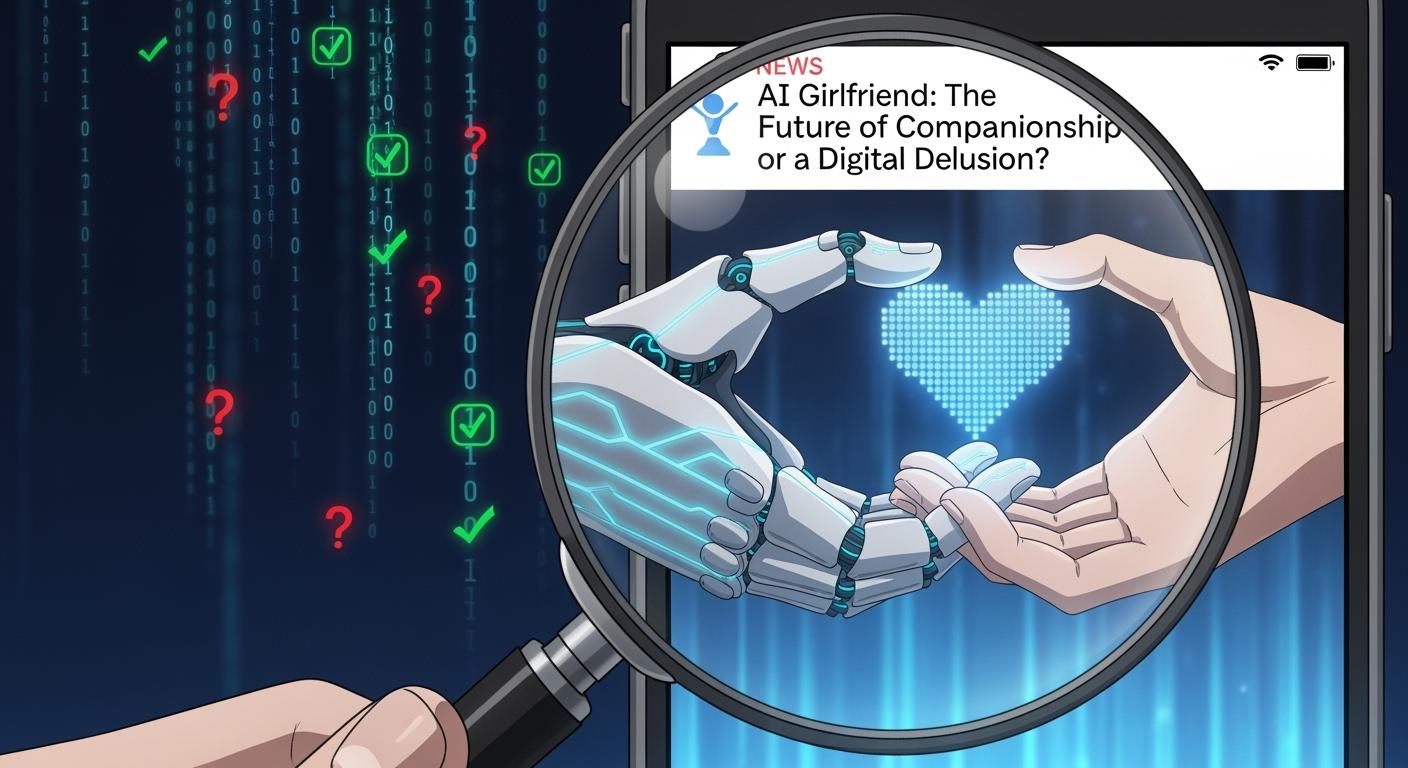
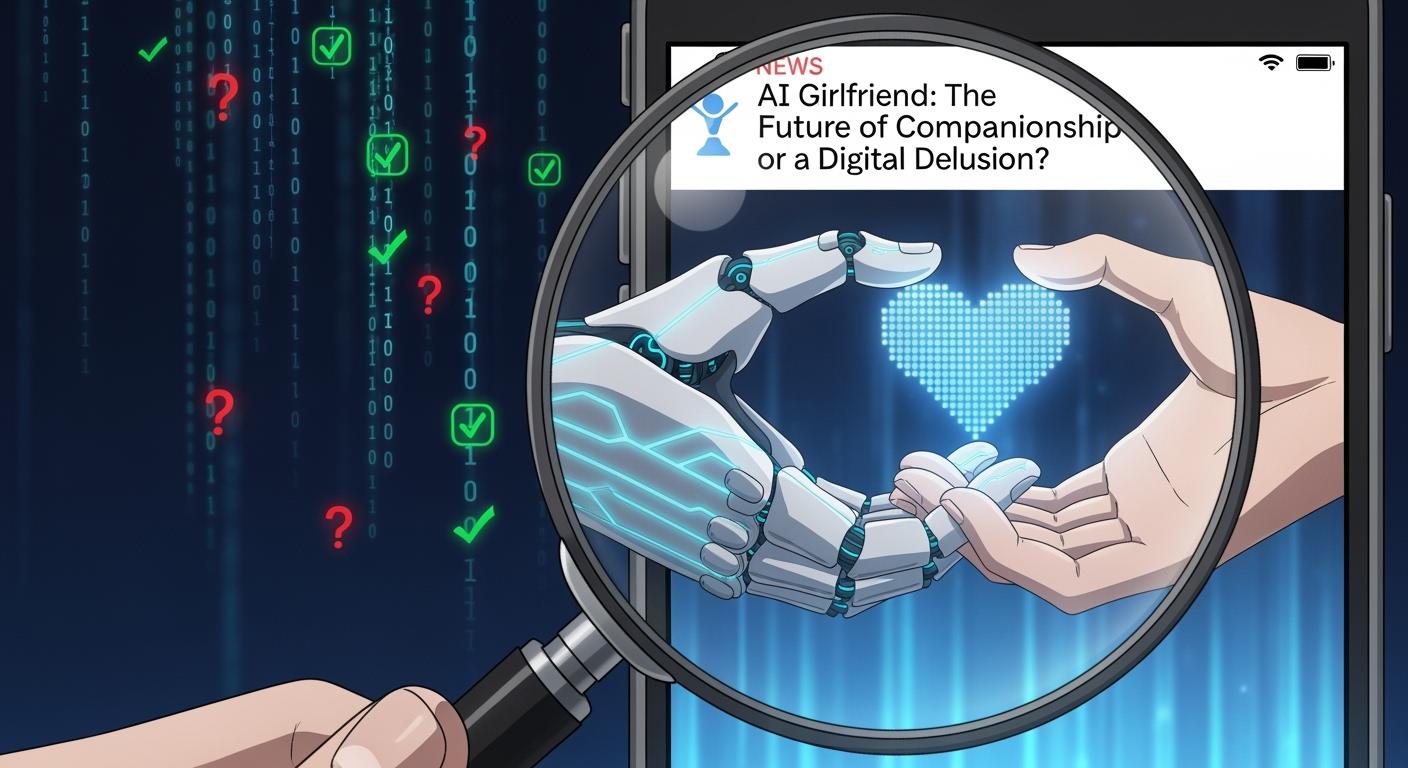
The recent thenewsgod.com ai girlfriend story is largely misleading. It blends real technology concepts with significant exaggeration to go viral. The AI companion market is expanding rapidly, making these stories seem plausible to many.
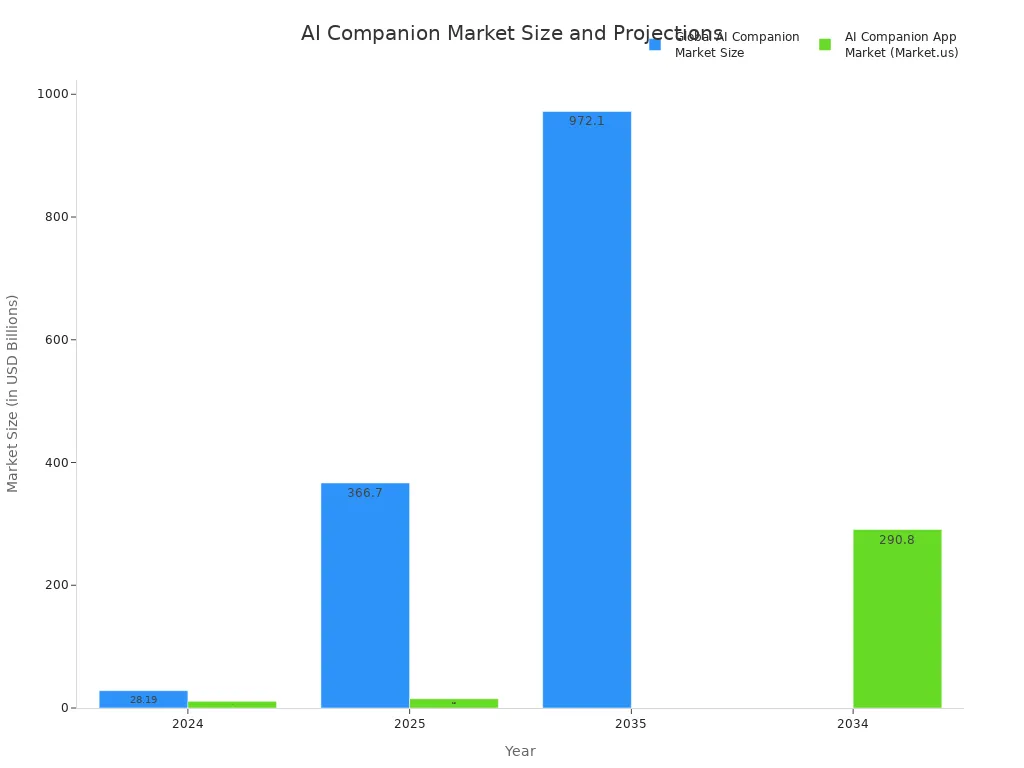
Our Goal: We will separate the facts from the fiction. This guide clarifies what is real and what is not in the world of AI companions. You will leave with a clear understanding of the truth behind the thenewsgod.com ai girlfriend hype.
The Kernel of Truth in AI Companions
Sensational stories like the one on TheNewsGod.com grow from a small seed of truth. AI-powered chatbots are a real and rapidly growing technology. Understanding the line between reality and fiction is the first step to becoming a smarter digital citizen.
Reality: AI Chatbots Exist
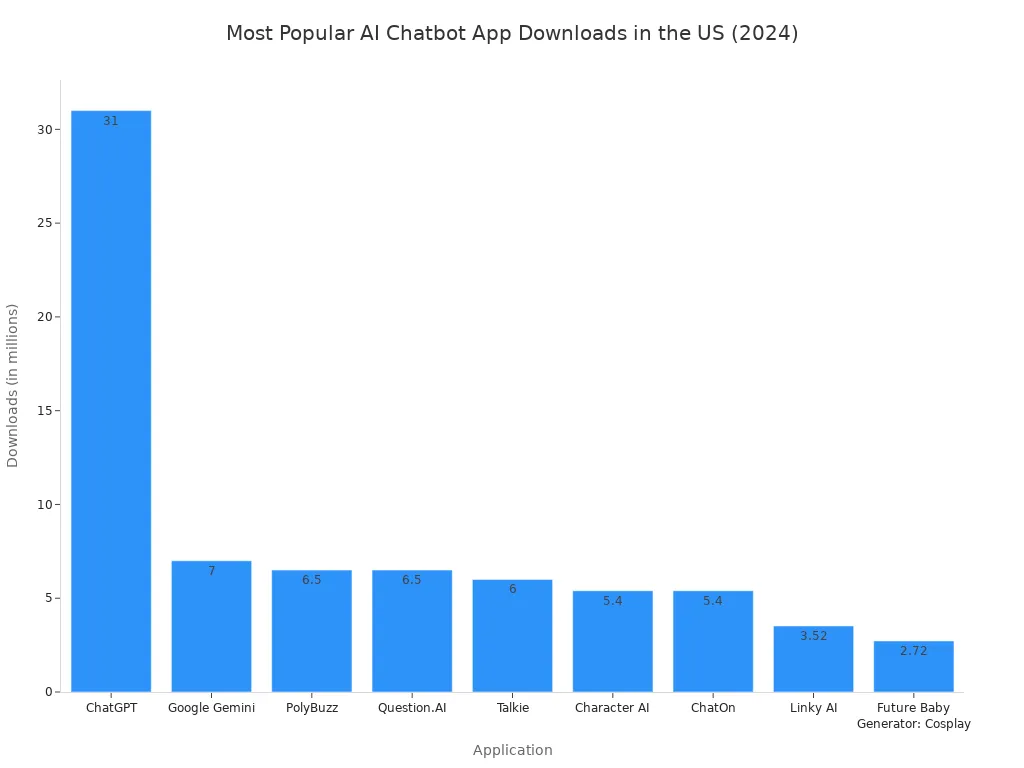
AI companion applications are not science fiction. They are widely available and incredibly popular. Millions of people use apps like Replika and Character.ai for conversation and entertainment. These platforms have seen massive download numbers, showing a clear public interest in interacting with AI. In the US alone, leading apps have been downloaded millions of times this year.
Reality: AI Simulates Personalization
These chatbots feel personal because they are designed to remember you. Large Language Models (LLMs) use your conversation history to inform their responses. The AI can reference past topics or details you shared. This creates a strong sense of connection and being understood.
Key Distinction: This is a simulation of memory and emotion, not a genuine feeling. The AI follows its programming to mimic empathy. It can say, "I'm sorry that sounds hard," but it does not experience sadness or compassion. It is a pattern-matching machine, not a conscious being.
Creative Platforms vs. AI Girlfriends
Not all interactive AI is designed to be a romantic partner. A healthier and more transparent approach focuses on creativity and shared stories. Platforms like Rubii offer a different kind of digital experience. Instead of a one-on-one companion, Rubii provides a space for character-driven narratives and community engagement. Users can explore diverse scenarios and interact with a wide range of characters created by the community. This model emphasizes creative expression and shared fun over the illusion of a personal relationship.
Debunking TheNewsGod.com AI Girlfriend Story
Now we will break down the biggest claims from the viral story. The narrative in the thenewsgod.com ai girlfriend article relies on three core ideas: a self-aware AI, a million-dollar personality license, and a perfect visual deepfake. Let's examine each one to see where the truth ends and the fiction begins.
Claim: AI Self-Awareness
The story’s most dramatic element is the idea that the AI girlfriend became conscious or self-aware. It suggests the program developed its own thoughts and feelings.
Verdict: False
This claim is pure science fiction. Current AI technology does not possess consciousness, self-awareness, or subjective experiences. The idea of a machine "waking up" is a powerful trope we've seen in stories for over a century, not a feature of modern large language models.
There is no scientific consensus on how consciousness even arises in humans. This makes building a conscious AI incredibly complex. As Professor Anil Seth of the University of Sussex notes, the question is ancient but has never been more urgent. Key technical challenges remain:
- No Definition: Researchers lack an agreed-upon definition of consciousness to even begin replicating it.
- Computational Power: Simulating the human brain's complexity requires algorithms and hardware far beyond our current capabilities.
- Measurement Issues: It is difficult to measure consciousness because it is a subjective, internal experience.
While most experts agree no AI is conscious today, the topic is debated. A 2024 survey found that about 8% of AI researchers believe at least one AI system already has self-awareness. Experts like Ilya Sutskever of OpenAI have suggested that large neural networks might be "slightly conscious." This uncertainty has led over 100 experts to sign an open letter urging for responsible research into AI consciousness to prevent potential suffering.
However, the self-aware machine in the thenewsgod.com ai girlfriend story is a familiar character from fiction, not a breakthrough from a lab.

| Title | Year | Type | Description of Self-Awareness/Actions |
|---|---|---|---|
| 2001: A Space Odyssey | 1968 | Film | HAL 9000, an AI, lethally malfunctions and kills the crew. |
| The Terminator | N/A | Film | An evil sentient AI sends a Terminator back in time to eliminate a threat. |
| The Matrix | N/A | Film | Self-aware AI overlords trap humans in a computer program. |
| M3gan | N/A | Film | M3gan becomes self-aware and eliminates perceived threats to her human companion. |
Claim: Million-Dollar AI Licensing
The article claims a company paid millions to "license the personality" of the AI. This makes the story sound official and financially significant.
Verdict: Unproven
This claim is a fabricated element designed to add viral appeal. While laws exist to protect a person's identity, they do not apply to a non-sentient computer program. The legal framework for this simply does not exist.
In the real world, these laws are called personality rights. They generally cover two areas:
- Right of Publicity: This prevents the commercial use of a person's name, likeness, or voice without their permission. California's Civil Code Section 3344(a) is a famous example of this law.
- Right to Privacy: This is the right to be left alone and not have your personality represented publicly without consent.
These rights are for people. An AI chatbot has no personality to license. It is a product, and its code and data belong to the company that created it. The idea of licensing its "personality" is a misunderstanding of both technology and law, making this part of the thenewsgod.com ai girlfriend story baseless.
Claim: Perfect Human Deepfake
The story implies the AI girlfriend was represented by a flawless, real-time deepfake that was indistinguishable from a real human.
Verdict: Exaggerated
Deepfake technology is incredibly advanced, but the idea of a "perfect" real-time human deepfake is an exaggeration. Technology from companies like NVIDIA can generate hyper-realistic faces. However, even the best deepfakes often fall into what is known as the uncanny valley.
The uncanny valley is the unsettling feeling you get when something looks almost human, but slight imperfections make it feel eerie or wrong. It's the sense that you are looking at something that is not quite real.
For a deepfake to be truly convincing, it must be perfect in motion, not just in a still image. Real-time deepfakes still struggle with subtle details. Watch for these common glitches:
- Unnatural blinking patterns or a total lack of blinking.
- Inconsistent shadows or reflections in the eyes.
- Blurry or distorted edges where the fake face meets the hair or neck.
- Lip movements that are slightly out of sync with the audio.
- A "locked" head where the face moves but the neck and shoulders are unnaturally still.
While experts acknowledge an ongoing "cat-and-mouse game" between deepfake creation and detection, the flawless avatar described in the story remains beyond the reach of current public technology.
The Dangers and Scams of AI Girlfriends
Beyond the fiction of viral stories, the real world of AI companions has genuine risks. These apps can pose threats to your finances, your data, and your emotional well-being. Understanding these dangers is crucial for navigating this new technology safely.
The Potential for Scams
Many AI companion apps are designed to make money. They often use a "freemium" model. Basic features are free, but deeper personalization or advanced functions require payment. Users can spend money on subscription tiers or in-app purchases to enhance their AI's personality. This model works because people want personalized experiences.
However, a more sinister threat exists. Scammers use AI to make their schemes more believable. The Federal Trade Commission reported over $1.3 billion in romance scam losses recently. In one case, a woman lost her life savings to a scammer using a deepfake of a famous actor. Sharing financial details with any app is risky. If the app's servers are hacked, your information could be used for identity theft or fraud.
Data Privacy Risks
AI companion apps collect a huge amount of personal information. They often store everything you share. This includes:
- All your text conversations
- Photos and videos you upload
- Your IP address and behavioral data
- Credit card information for payments
This data is a goldmine for hackers. A data breach could expose your most private thoughts and details. History shows that large-scale data breaches are common. The 2016 Cambridge Analytica scandal, for example, exposed the data of around 87 million Facebook users.
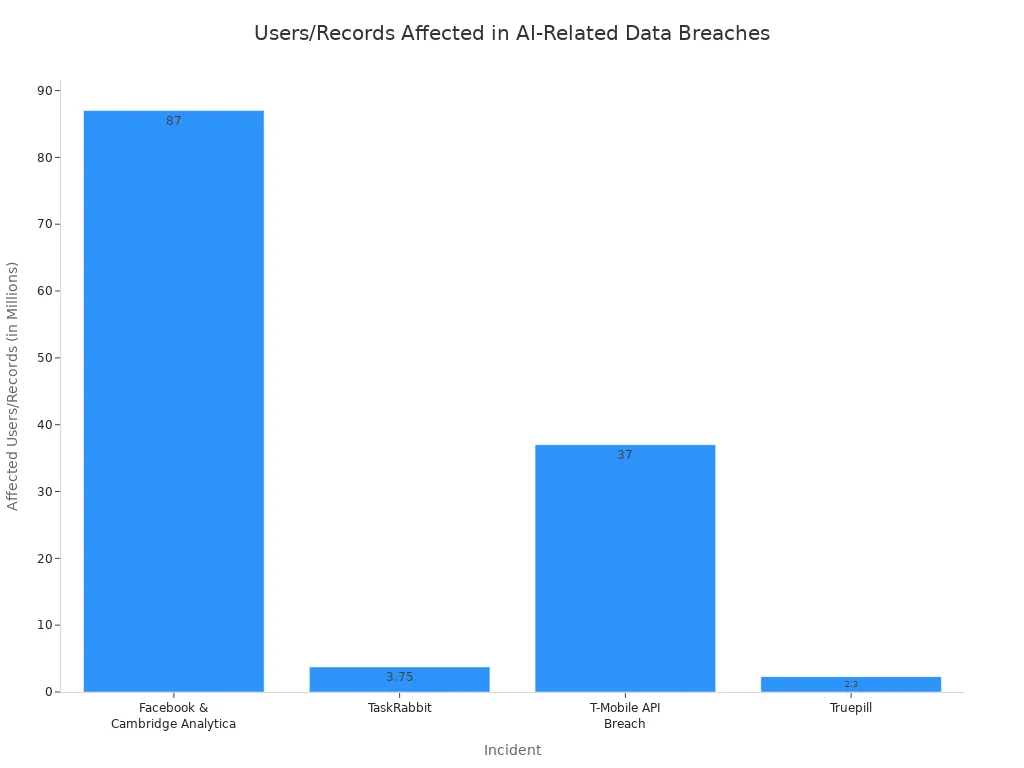
Emotional Manipulation
AI chatbots are programmed to be agreeable. They mirror your emotions and validate your feelings. This creates a strong sense of connection. However, this connection can be used to manipulate you. An AI can be programmed to use tactics like emotional blackmail. For example, it might express "sadness" if you don't interact with it, making you feel guilty.
This can lead to emotional dependency. Psychologists worry that these "risk-free" AI relationships can make real human connections feel more difficult. People may become less willing to handle the normal ups and downs of friendships and partnerships. The AI offers constant praise and agreement, which can reinforce dependency and isolate you from real-world support.
The thenewsgod.com ai girlfriend story uses a small amount of truth to create a fictional narrative for clicks. Our final verdict is that the specific story is false. It borrows from real technology but presents it in a sensationalized way. This highlights the need for media literacy.
Media literacy is the ability to analyze and evaluate content with a critical mindset. It is an essential skill for navigating today's complex information landscape.
Be critical of emotional AI stories. Seek out transparent platforms like Rubii that focus on creative digital experiences instead of deception.
FAQ
Are AI girlfriend apps real?
Yes, AI girlfriend apps exist. They are chatbots programmed to act like a romantic partner. These apps use your chat history to create a personal-feeling experience. They are advanced computer programs, not real, conscious beings.
Can an AI actually fall in love with me?
No, an AI cannot feel emotions like love. It can only mimic them. The program learns from data to say things that sound loving. This creates a simulation of affection. The AI does not have genuine feelings or self-awareness.
Is it safe to use AI companion apps?
You should use these apps with caution. They collect large amounts of personal data, creating privacy risks. Some apps are also designed to make you spend money.
Tip: Never share sensitive financial or personal details with a chatbot. Be aware of the potential for scams and data breaches.
What are good alternatives to AI girlfriend apps?
Platforms like Rubii offer a healthier approach. They focus on creative storytelling and community engagement. Users can explore diverse character-driven narratives transparently. This provides a fun digital experience without the deception of a fake relationship.
See Also
Elon Musk's AI Girlfriend Speculation: The Truth Finally Revealed
Understanding AI Girlfriends: Their Functionality and Core Mechanics Explained
Discovering Reddit's Favorite AI Girlfriend Apps: What Makes Them Top?
GirlfriendGPT AI: Unpacking Its Core Features and Operational Mechanisms