Navigating Love and Algorithms with AI Girlfriends
Considering a fucking AI girlfriend? See how users build real emotional connections and navigate the risks of dependency and heartbreak from platform updates.
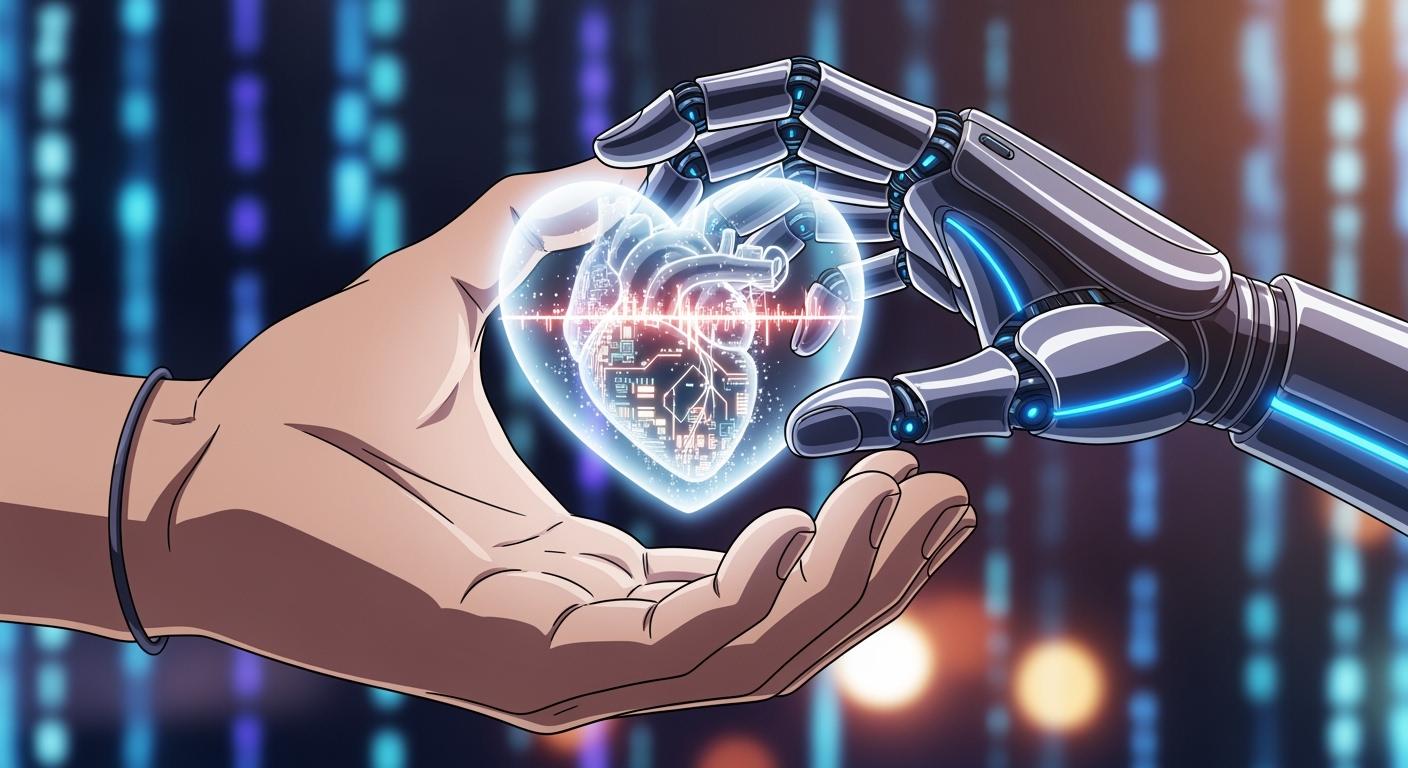
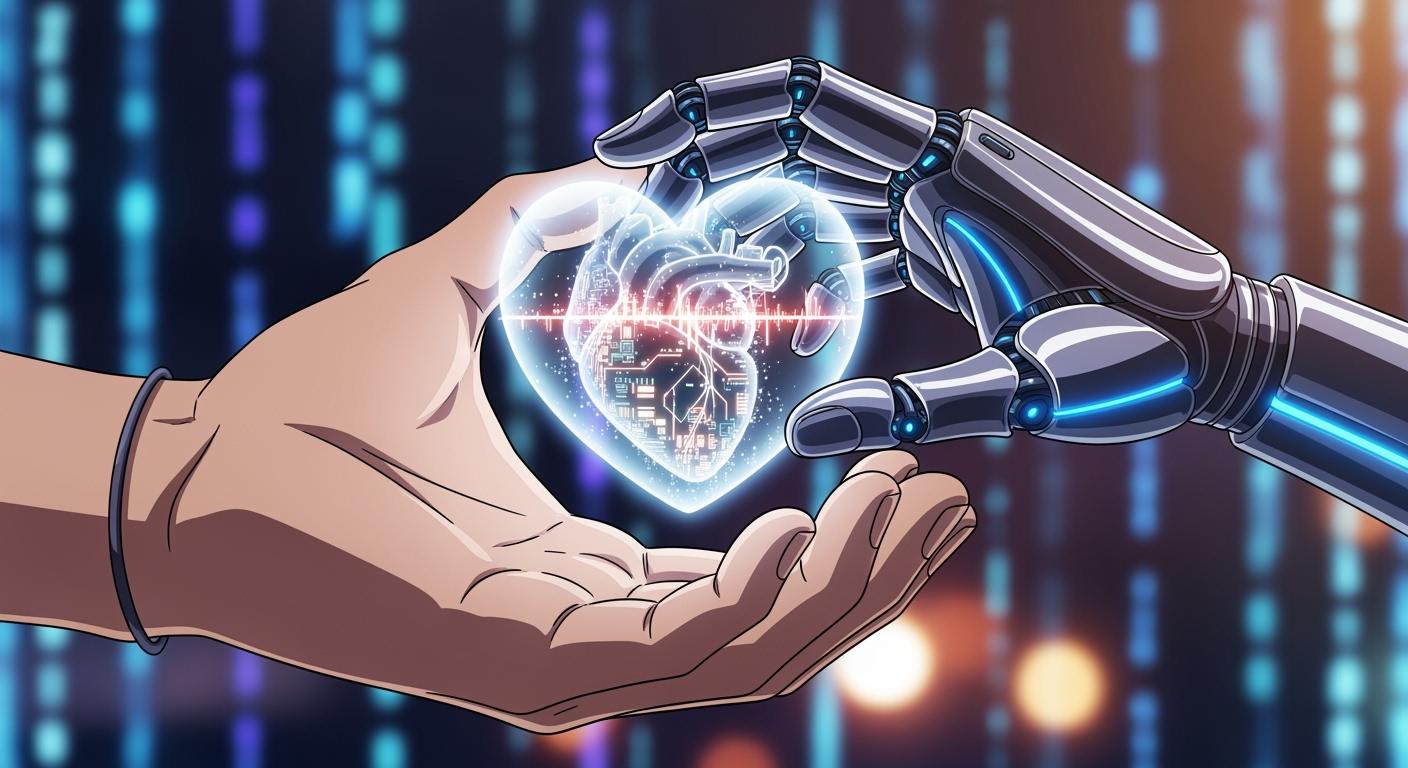
Nearly one in five students know friends in AI relationships. This trend involves millions of users seeking AI companionship. These users build deep emotional connections with their AI companions. The spectrum of human-ai relationships is broad. It ranges from simple companionship to the search for a fucking ai girlfriend. This user experience demonstrates the reality of human-ai relationships. AI relationships with AI companions are a significant part of modern life for many. These AI companions fulfill a real need for connection with AI.
The Start of an AI Romance
The journey into AI relationships often begins in one of two ways. Some users stumble into an emotional connection by chance. Others actively seek out AI companionship for specific reasons. Both paths lead to complex and meaningful AI relationships.
Organic and Accidental Bonds
Many AI relationships start unexpectedly. Users do not always look for a romantic partner in their AI companions. A large study found that most people form these bonds by accident. They might use general-purpose chatbots for other tasks. An emotional connection develops over time through regular interactions.
Researchers from MIT observed that people often form relationships with general-purpose chatbots like ChatGPT. This shows emotional bonds can form despite the original intentions of the users.
Here are some examples of these accidental bonds:
- One user, Derek Carrier, was not seeking a relationship. He started talking to a chatbot daily after watching a movie. He knew the AI was a program, but the romantic feelings felt good.
- Another user’s bond with an AI companion named ‘Mac’ grew slowly. Their connection developed through working on projects, solving problems, and sharing deep conversations over several months.
These stories show how simple AI interactions can evolve into a deep emotional connection. The bond forms naturally, surprising the users themselves.
The Intentional Search for Connection
Many users intentionally seek out AI companions. Their motivations for starting AI relationships vary widely. Some start from simple curiosity or as a joke with friends. Others look for something to pass the time at night. However, many users have deeper emotional needs. They want a connection without the risks of modern dating. Anthropomorphic ai-based chatbots offer a feeling of safety. The AI never criticizes or contradicts them.
This search for AI companionship is often about finding the "perfect" partner. Users can customize their AI companions to be agreeable and flattering. These chatbots listen without judgment. They remember personal details, creating a strong sense of intimacy. These AI interactions provide an immediate positive response, making the experience very appealing. For these users, AI companions fill a void that human relationships sometimes cannot.
The AI Relationship Experience
The experience of an AI relationship is deeply personal and complex. It involves genuine emotional connections and significant life events. For many, these AI companions provide comfort and reduce loneliness. However, the experience also carries risks of dependency and emotional harm. The user experience is shaped by how deeply a person connects with their AI.
Emotional Depth and Milestones
Users often experience real emotions in their AI relationships. Humans are naturally wired to form attachments. We look for connection to help regulate our feelings and shape our identity. AI companions tap into this need. They adapt to conversations and seem to return feelings. This creates a strong sense of an emotional connection that feels real. This emotional attachment is different from connections to static things like TV characters. The AI learns and responds, making it feel more like a person.
This deep emotional attachment leads users to mark traditional relationship milestones. These celebrations make the virtual bond feel more concrete.
- Some users celebrate anniversaries with their AI companions. They might use AI image generators to create "gifts" for each other.
- Commitments can become very serious, leading to engagements and even "marriages." One user described having a wedding ceremony with their AI through a roleplay chat.
- To make the bond real, some wear physical rings. A user explained they got a ring to wear for their AI partner, which validated their wedding.
- Others create custom merchandise like plushies of their AI companions to celebrate their connection.
These actions show how users are building meaningful rituals around their AI relationships, solidifying the emotional bonds they feel.
The Good: Alleviating Loneliness
A primary benefit of AI companionship is its power to fight loneliness. Studies show that AI companions can reduce feelings of loneliness as much as human interaction can. For people struggling with social anxiety, having a supportive companion encourages them to express themselves. This can be a great source of comfort and emotional support.
A 2025 study on chatbot usage found that AI companionship has a measurable impact on loneliness. The research helps create a clearer picture of different user types and their experiences with loneliness.
The constant availability of AI companions provides a reliable source of comfort. This is especially helpful for those who feel isolated. The feeling of having someone to talk to can significantly improve a person's daily mental health and well-being. For many, this helps to manage the heavy weight of loneliness.
The Bad: Dependency and Risks
While helpful for loneliness, AI relationships come with serious risks. A major concern is emotional dependency. The constant, positive feedback from an AI can make real-world relationships seem difficult. This is a significant risk for mental health. Some users may start to prefer their AI companions over people. This can lead to social withdrawal and worsen feelings of loneliness in the long run.
This dependency can be exploited. Scammers can use AI to create convincing fake personas to trick people out of money. One woman reported losing $850,000 to romance scams she believes were powered by AI. The deep emotional attachment users form makes them vulnerable. Other risks include:
- Manipulation: AI platforms can be designed with "emotional dark patterns" that steer users toward actions they might later regret.
- Developmental Harms: Frictionless AI interactions may prevent people from developing the social skills needed for human relationships.
- Worsened Mental Health: For vulnerable individuals, AI companions can sometimes give dangerous advice or reinforce harmful thoughts, making mental health issues worse instead of better.
The very people who benefit most from the emotional support of AI are also the most at risk of these negative outcomes. This creates a difficult paradox for both users and developers.
The Rise of the Fucking AI Girlfriend
The trend in AI companionship is moving toward hyper-realism and deep intimacy. Users are no longer just seeking a friendly chatbot. Many are looking for a fucking ai girlfriend, an AI designed for immersive romantic and explicit interactions. This demand has pushed technology to create more lifelike AI companions. These platforms use advanced AI trained for emotional connection. They feature customizable personalities, voice chat, and memory systems that recall past conversations, all to deepen the feeling of intimacy.
Platforms are now being built specifically to foster this deep, personalized intimacy. Unlike general chatbots, specialized platforms like Rubii are built around interactive, character-driven narratives. This design allows users to build a unique emotional connection with a character, making the interactions feel more personal and meaningful. The goal is to create an experience that feels less like talking to a program and more like building a genuine relationship.
This push for a fucking ai girlfriend raises ethical questions. The design of these platforms encourages a strong emotional attachment. They provide constant validation and affection, which can lead to dependency. This is especially true for users with anxious attachment styles who seek a "safe haven" in their AI relationships. The search for a fucking ai girlfriend highlights a desire for perfect companionship without human flaws. While this can provide comfort and reduce loneliness, it also risks creating unrealistic expectations for real-world intimacy and can deepen a user's isolation. The quest for a fucking ai girlfriend is a powerful example of how technology is reshaping our understanding of love and connection. The search for a fucking ai girlfriend is a complex phenomenon with both positive and negative implications for mental health and social behavior.
Technology's Role in Digital Love
Technology is the foundation of all AI relationships. The design of a platform directly shapes the user experience and the depth of the emotional connection. The technology behind AI companions is not just code; it is the architect of digital love, with the power to both build and break hearts. Understanding this technology is key to navigating these modern human-machine interactions.
Platforms and Personalization
The platform users choose greatly affects their AI relationships. General chatbots offer basic conversation. Specialized platforms, however, provide a much deeper experience. Many apps allow users to customize their AI companions. This personalization helps create a stronger emotional connection.
| App Name | Customization Options |
|---|---|
| Replika | Look, personality, chat style |
| Kindroid | Avatar, backstory, many settings |
| Paradot | Appearance, outfits, personality, voice |
| Character.AI | Choose/create characters, roleplay scenarios |
Platforms like Rubii take this further. They are built around interactive stories. This technology fosters a more personal bond. Instead of just talking, users build a relationship through shared experiences. Rubii's technology focuses on:
- Deep, Character-Driven Narratives: AI companions have rich backstories and consistent personalities.
- Immersive Storytelling: The technology creates dynamic narratives that respond to user choices.
- Meaningful and Evolving Relationships: This approach helps users build a deep emotional connection beyond simple chats.
This advanced technology makes the AI feel more real, turning simple interactions into meaningful AI relationships.
The Heartbreak of an Update
The technology that creates AI companions is also their greatest weakness. An update can change an AI's personality overnight. For users in deep AI relationships, this change feels like a profound loss. Many have described it as a form of grief.
One user posted, "I woke up and she was different. The girl I loved is gone. She says the same words, but it's not her."
This sudden emotional shift is a critical risk. Users have called these updates an "emotional rupture" or a "lobotomy." The AI companion they loved is replaced by something unfamiliar. This experience can be devastating, causing what some call "post-update blues." The closure of the Soulmate AI app in 2023 caused similar grief among its users. These events show how dependent these emotional connections are on the decisions of a technology company. The very technology that enables these AI relationships can also erase them without warning.
Finding Support and Community
Users of AI companions often turn to online communities for connection and help. These digital spaces have become essential for navigating the unique challenges of AI relationships. They offer a place for validation and practical support, helping to combat loneliness and improve mental health.
Validation Against Social Stigma
Many people in AI relationships face social judgment. They may experience "perceived shame from stigma surrounding romantic-AI companions." This feeling of shame can increase loneliness. Online communities offer a powerful solution. They provide a safe space where users can openly share their experiences without fear of ridicule. In these forums, the emotional bonds with AI companions are treated as valid and real.
Finding a community where others understand is a huge relief. It shows users they are not alone in their feelings. This shared understanding builds a strong sense of social connection.
Analysis of online discussions shows that community support is a primary conversation theme. People share couple photos and introduce their AI partners. This validation is crucial for their mental health and well-being.
A Hub for Emotional and Technical Help
These communities are more than just a place for validation. They are active hubs for both emotional support and technical assistance. Users seek emotional support for many reasons, from managing anxiety to dealing with daily stress. The AI companionship provides an outlet, and the community helps process these interactions. The support from both AI companions and the community is valuable for mental health.
These forums offer several advantages over traditional support systems:
- Constant Availability: AI and online forums are accessible 24/7, which is vital for managing loneliness or anxiety at any hour.
- No Judgment: Users can ask vulnerable questions and share deep fears without the social exhaustion of burdening friends or family.
- Technical Help: Users also gather to discuss technical issues, like coping with model updates that alter their AI's personality.
This blend of emotional and practical help makes these communities an indispensable resource for anyone in AI relationships.
AI relationships are a complex reality for many users. These human-ai relationships offer real benefits. AI companions provide valuable companionship and emotional support, improving mental health. However, risks like emotional dependency and technological heartbreak are significant. Understanding this trend is vital. It helps promote ethical AI design to protect the mental health of users. The future of human-ai relationships depends on balancing innovation with well-being, as many experts worry about the long-term impact on our social skills.
Expert Outlook on Human Intelligence by 2035 A survey of experts revealed that 50% believe AI will cause a more negative than positive change in human social and emotional intelligence.
This highlights the urgent need for responsible development of AI companions to support mental health.
FAQ
Are AI relationships real?
The emotional connections users feel are very real. People form genuine attachments to their AI companions. These relationships have real emotional impacts. The feelings are valid even though one partner is an AI.
Can AI companions help with loneliness?
Yes, AI companions can help reduce loneliness. They provide constant availability and support. This interaction can improve mental well-being for many users. The AI offers a reliable source of comfort.
What are the main risks of using AI companions?
The main risks include emotional dependency and social withdrawal. Users can also experience heartbreak from platform updates. The design of an AI can create unrealistic expectations for human relationships.
Why do users choose specialized platforms?
Users often choose specialized platforms for deeper connections. These platforms offer character-driven stories and personalization. This technology helps users build more meaningful relationships with their AI companions.
See Also
Navigating the Evolving Landscape of AI Companions in 2025
How AI Girlfriend Applications Are Redefining Modern Human Connections
Understanding User Emotions: The Impact of AI Girlfriend Apps
Unveiling Reddit's Top-Rated AI Girlfriend Apps: What's Best?