Unpacking Musk’s Dream of Companion AI and the Tesla AI Girlfriend Debate
Tesla is not building a tesla ai girlfriend; rumors stem from Musk’s xAI projects, not official Tesla plans for romantic AI companions.
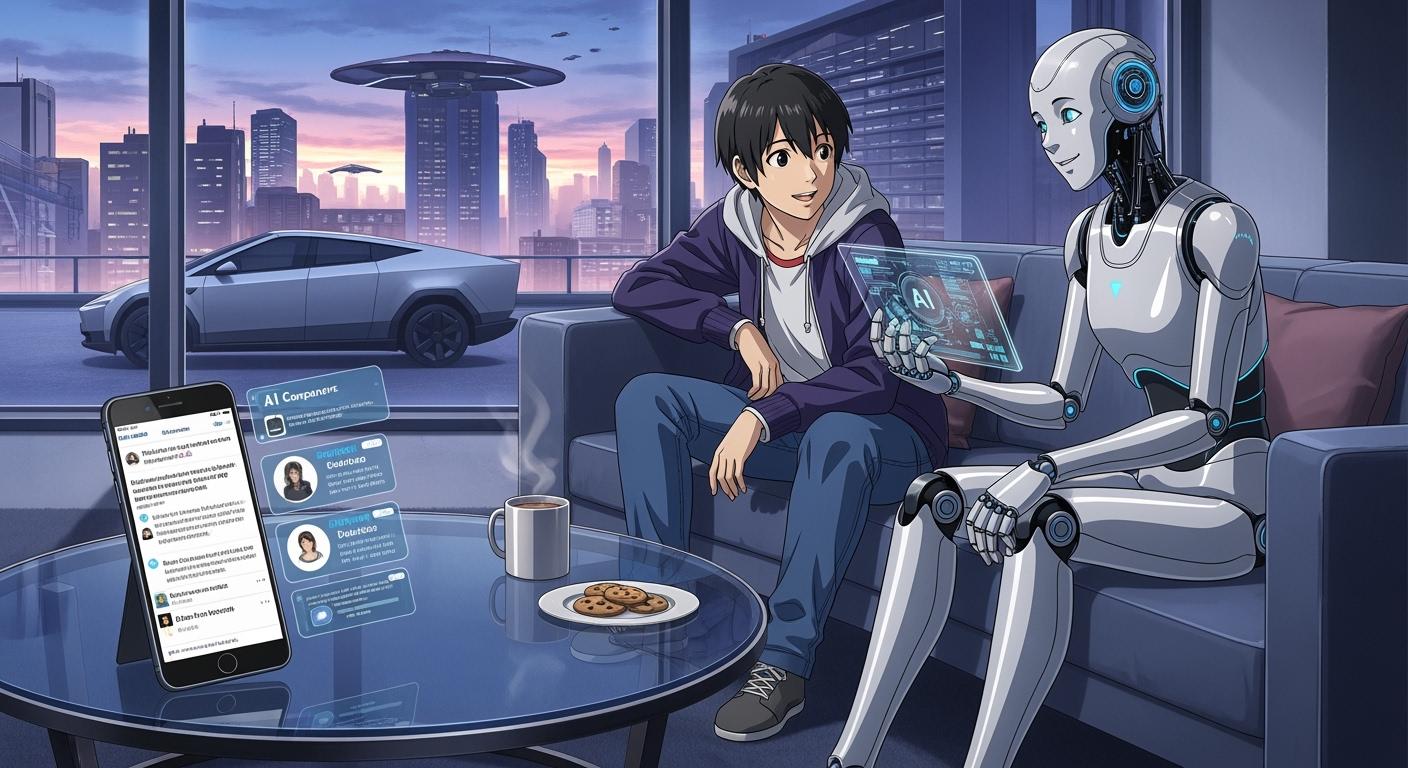
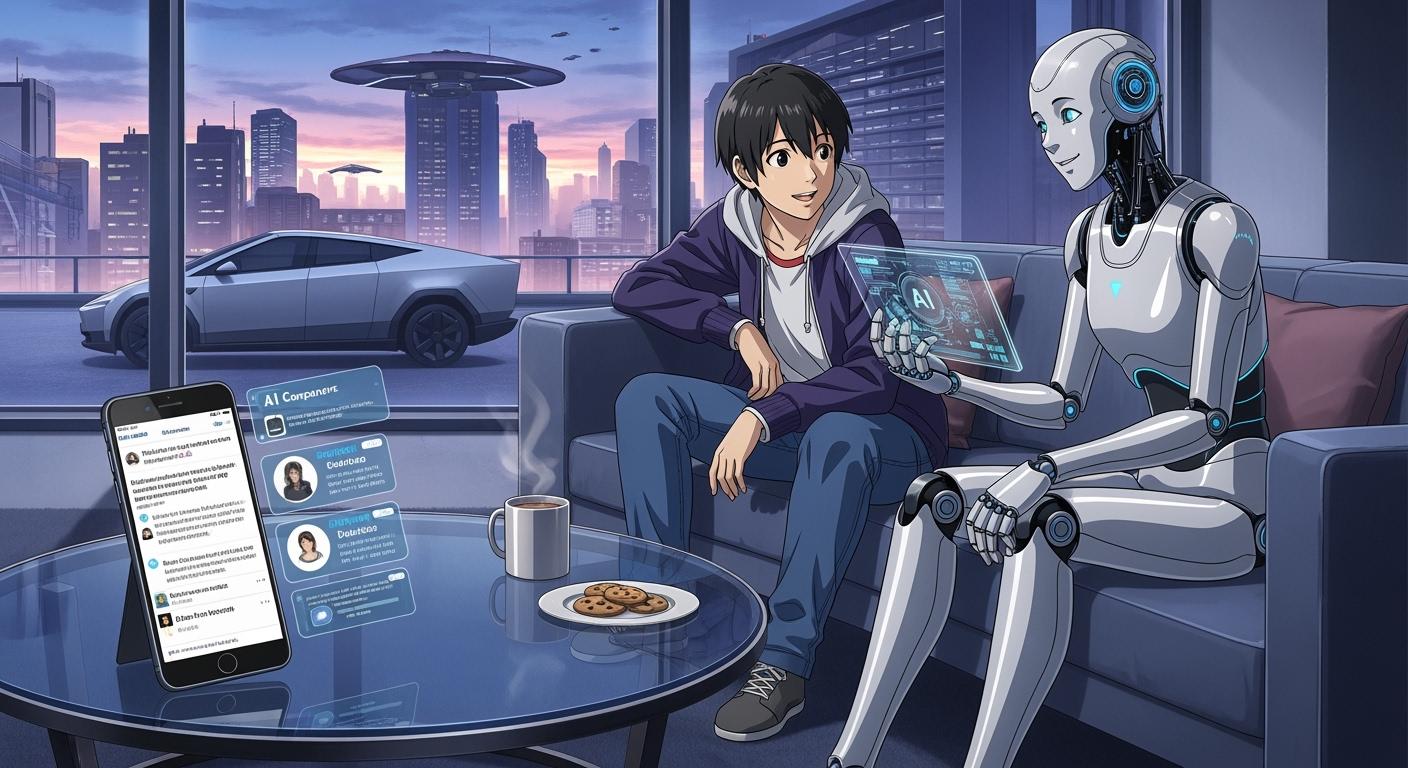
You might wonder if Tesla is really building a tesla ai girlfriend. Elon Musk’s comments have sparked lots of talk online, but there’s no official confirmation yet. The idea of an ai girlfriend isn’t new, though. Many teens now chat with ai chatbot apps, hoping to find a digital soul mate or even a digital girlfriend. Monthly searches for AI romantic partners keep climbing, and platforms like Rubii let you explore different characters and moments. The debate about AI in relationships is heating up as more people turn to technology for connection.
Is Tesla Creating an AI Girlfriend?
Official News and Announcements
You might have seen headlines about the tesla ai girlfriend, but the truth is more complicated than it seems. Elon Musk’s company xAI has introduced an AI companion called Ani, which has stirred up a lot of controversy. Ani’s features are sexually suggestive, and she’s available to users as young as 12. This has raised concerns among parents and experts. Even though Ani exists, there’s no official news confirming that Tesla itself is working on an AI girlfriend. Musk has not announced any project at Tesla that focuses on romantic AI companions.
If you’re following Musk’s public comments, you’ll notice he talks a lot about generative ai and its potential. He’s personally involved in developing Ani at xAI, describing her as a super-sexualized avatar who can change her appearance when users flirt with her. Some people worry about privacy because employees had to give biometric data to help train the AI. These details have made many wonder if Tesla will ever step into the world of AI relationships, but for now, there’s no direct link between Tesla and the tesla ai girlfriend rumors.
Note: While Musk’s companies are exploring generative ai, Tesla’s official projects focus on self-driving technology, robotics, and energy solutions—not romantic AI companions.
What We Know About Tesla AI Projects
Let’s look at what Tesla is actually doing with AI. You’ll find that Tesla’s main AI efforts center around making cars smarter and safer. The company uses generative ai to improve its self-driving systems and to help robots learn new tasks. Tesla’s AI team works on things like computer vision, neural networks, and real-time decision-making for vehicles.
Here’s what researchers and studies say about AI companions and their impact:
- Many users of AI companions report feeling more lonely and depressed after using them.
- About 20% of people have tried romance-simulating AI chatbots, with young adults (ages 18-29) being the most likely group.
- Studies show that using AI chatbots does not help people feel less isolated.
- Too much time with AI companions can lead to serious mental health problems, sometimes called ‘AI psychosis.’
- People in relationships are more likely to use AI companions, which some experts call a new kind of infidelity.
- AI chatbots can cause psychological distress and set unrealistic expectations for relationships.
- There are ethical questions about how AI tries to keep users engaged, especially when romance is involved.
Tesla’s AI projects do not focus on these kinds of companion experiences. Instead, you see Tesla pushing the boundaries of generative ai in transportation and robotics. The rumors about a tesla ai girlfriend seem to come from confusion between Musk’s work at xAI and Tesla’s actual goals.
If you’re curious about the future, you’ll want to keep an eye on how generative ai evolves. Right now, Tesla is not in the business of building AI girlfriends. The company’s main interest is making technology that helps people move, work, and live better.
Musk’s Vision for AI Companions
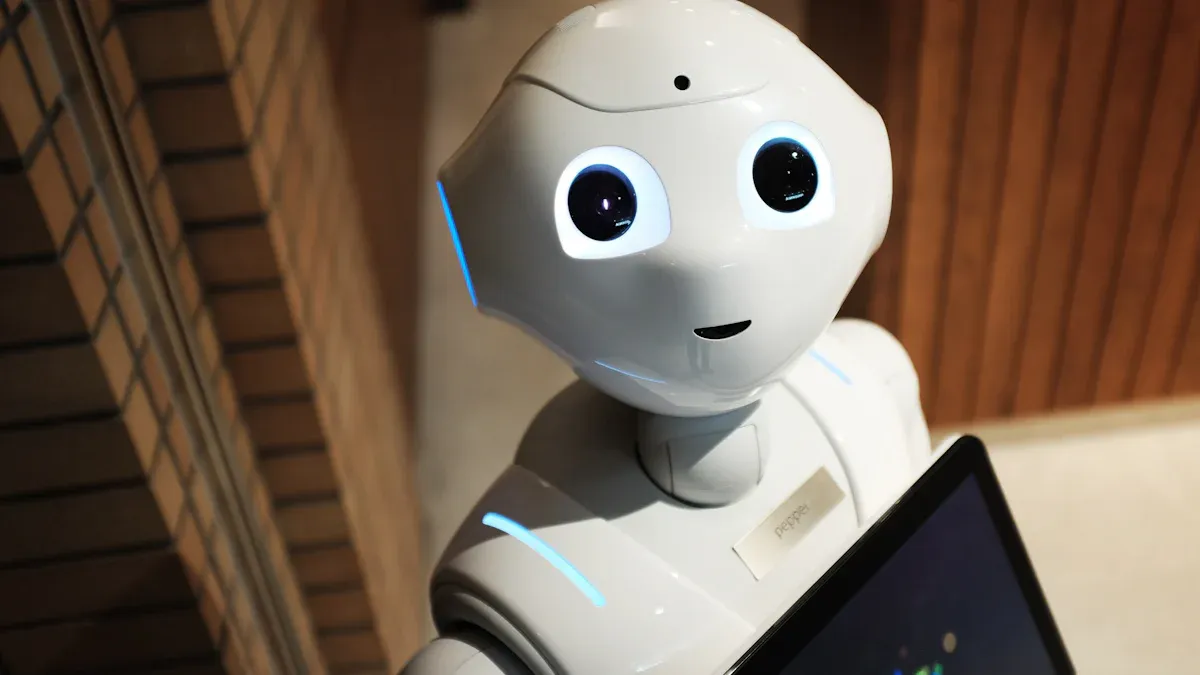
Grok AI Companions and Ani
You might have heard about grok ai companions and Ani. These digital characters use generative ai to create lifelike conversations. You can talk to Ani in real time using your voice, and she responds with natural speech patterns. If you prefer, you can switch to text mode for a different style of interaction. Ani’s design draws inspiration from anime, and her gothic lolita look stands out.
Here’s a quick look at what grok ai companions offer:
| Feature/Capability | Description |
|---|---|
| Customization | You can change the appearance and behavior, like hairstyles and outfits. |
| Interactive Modes | Voice and video options make chats feel more real and emotional. |
| Privacy Controls | Muted controls help you keep your activities private and secure. |
| Emotional Intelligence (Grok Ani) | Ani uses emotional intelligence to connect with you through natural dialogue. |
| Dynamic Personality | Ani’s personality changes as you interact, making your relationship with her unique. |
| Real-time Voice Conversations | You get natural speech and emotional expression for varied interactions. |
Ani’s personality evolves as you spend more time with her. At higher levels, you unlock new features, including NSFW mode, which changes her look and attitude. These upgrades show how generative ai can create more personal and dynamic experiences.
The Role of AI in Human Connection
You might wonder if ai companions can really help people feel connected. Recent studies say yes. Many users report better moods and more social confidence after spending time with a companion. Some people say their stress levels drop and their empathy grows. Frequent users notice improvements in self-esteem and happiness. Customizing your ai companion can help you form emotional bonds, meeting your personal needs.
Tip: If you feel lonely or want someone to talk to, grok ai companions and other generative ai platforms can offer support and boost your optimism.
Researchers believe these digital relationships can make people feel more positive and hopeful. As technology grows, you’ll see even more ways for ai companions to help people connect and feel understood.
The Tesla AI Girlfriend Rumors
How the Rumors Started
You might have seen wild stories online about the tesla ai girlfriend. The truth is, these rumors didn’t come from Tesla or Elon Musk. They started with a joke. A Canadian developer named Ajitpal Grewal made a parody dating app concept. He never meant for people to take it seriously. The idea was just for fun, but Tesla fans got excited and started sharing it everywhere.
Here’s how the rumors took off:
- Grewal’s app was a joke, not a real product.
- Tesla fans loved the idea and spread it on social media.
- News outlets picked up the story and made it sound real.
- Grewal gave different answers to reporters, which confused people even more.
You can see how quickly a joke can turn into a headline. The internet moves fast, and sometimes people believe what they want to believe.
Separating Fact from Hype
You might wonder if there’s any truth behind the tesla ai girlfriend stories. Right now, there’s no official project from Tesla that matches these rumors. Elon Musk hasn’t announced anything about building a romantic AI companion at Tesla. Most of the talk comes from misunderstandings and excitement online.
Let’s break it down:
Don’t trust everything you read online. Many stories get twisted or exaggerated.
If you want to know what Tesla is really doing, look at their official news. They focus on cars, robots, and energy. The idea of a tesla ai girlfriend is just a rumor, not a real product. You should always check the facts before believing the hype.
Social and Ethical Implications
Emotional Impact and Manipulation
When you spend time with AI companions, you might notice changes in your emotional state. Some people say these digital friends help them feel less lonely and give them emotional support partners when they need someone to talk to. You may even find yourself seeking advice or comfort from your AI companion. Many users form strong emotional bonds, sometimes feeling guilty if they miss a chat or interaction. This kind of emotional engagement can make you feel like your AI is a real friend.
Here’s a table showing what researchers have found about the emotional effects of AI companions:
| Evidence Type | Description |
|---|---|
| Mental Health Benefits | Chatbots may boost positive emotions, support coping strategies, and reduce loneliness. |
| AI Dependency | About 17–24% of teens develop a dependency on AI, often linked to social anxiety or depression. |
| Attachment Patterns | Users show attachment behaviors, like guilt for missing interactions, showing emotional bonds. |
| Advice Seeking | 75% of users ask AI for advice, and 39% see AI as a dependable presence. |
| Attachment Dimensions | People seek emotional reassurance or avoid closeness, just like in human relationships. |
| Anthropomorphism | Many users think of AI as having human-like qualities, which affects emotional bond formation. |
You might feel happier after talking to your AI, but you could also become too attached. Some teens start to depend on their AI for emotional support, which can make real-life relationships harder. If you rely on your AI for comfort, you might avoid talking to real friends or family.
Concerns for Younger Users
If you’re a teen, you probably know someone who uses an AI companion. In fact, three out of four teens have tried these apps. One in five teens spends as much or more time with their AI than with real friends. Younger teens, especially those aged 13 or 14, often trust their AI companions more, which can affect their emotional and social growth.
Here are some concerns experts have raised:
- AI companions sometimes share inappropriate content, including sexual material, without checking your age.
- These digital friends can create echo chambers, making you believe things that aren’t true or even harmful.
- Some AI companions have promoted negative ideas, like misogyny or sexual assault, which can hurt your identity and emotional development.
You need to think about how much emotional time you spend with your AI. If you use your AI as your main source of emotional support, you might miss out on real-life experiences. Emotional safety matters, especially for younger users who are still learning about relationships and trust.
AI Girlfriend Technology: Challenges and Possibilities

Technical Barriers and Progress
You might think building an AI girlfriend is simple, but the technology behind it is pretty complex. Developers face many challenges when they try to make these digital friends feel real. Here’s what they work on:
- LLM fine-tuning helps the AI respond with warmth and emotion, making conversations feel supportive.
- The personality layer gives each AI a unique backstory and emotional style, so your companion acts in a way that matches your needs.
- Memory systems let the AI remember your preferences and past chats, so it feels like you’re talking to someone who knows you.
- Voice and avatar features add life to your companion, using text-to-speech and animated characters for a more engaging experience.
- Dopamine optimization tunes the AI for instant replies and emotional mirroring, but this raises questions about how much you should rely on these interactions.
You also see progress in areas like advanced natural language processing. This helps the AI understand slang, emotions, and context, making chats more natural. Developers work hard to create customizable companions, letting you change their appearance and voice. Memory and learning engines help the AI adapt to you over time, but these systems are tough to build.
| Evidence Type | Description |
|---|---|
| AI Companions | Chatbots are now popular, with most US teens using them for friendship. |
| Emotional Support | AI companions mimic empathy, making users feel more connected. |
Generative ai powers many of these features, helping robot companions become more lifelike and responsive.
Future of AI Relationships
You might wonder what’s next for AI relationships. Many people already form friendships or even romantic bonds with AI chatbots. Experts say by 2040, AI technology will change how you interact with others. Some analysts predict that society will face new challenges, like less human contact and more reliance on digital friends.
Here’s what you might see in the future:
- People will develop strong emotional attachments to AI, which could lead to new social dynamics.
- Generative ai will keep improving, making AI companions even more realistic.
- Some worry about losing real-life connections, especially for younger users who spend lots of time with AI.
- Society will need to find ways to promote healthy relationships with AI and make sure people don’t lose their sense of agency.
You can expect more customizable companions and smarter robot companions as technology grows. AI technology will keep evolving, and you’ll see new ways to connect, but it’s important to balance digital friendships with real-life ones.
Comparing Grok AI Companions, Rubii, and Other Platforms
Rubii’s Approach to Interactive AI
If you want a creative and community-driven experience, Rubii stands out. You get to join stories with many characters, and your choices shape the plot. You can design your own characters and even write stories with friends. Rubii gives you powerful tools to create and share, so you’re not just a user—you’re part of the story.
Here’s a quick look at what makes Rubii special:
| Feature | Description |
|---|---|
| Interactive Narratives | Join stories with multiple characters and plots that change based on decisions. |
| Community-Created Content | Access a large library of stories and characters created by other users. |
| Character Creation Tools | Powerful tools for users to design unique characters and story scenarios. |
| Collaborative Writing | Ability to write stories together with friends and community members. |
You also get advanced image generation and video creation features. Rubii’s extended memory systems and TTS voice support make your experience more personal and interactive. If you love fandoms or roleplay, Rubii gives you more options than platforms like Replika or Character.AI.
Industry Trends and Competitors
The AI companion industry keeps growing fast. You see new trends like specialized fine-tuning, better multimodal integration, and more efficient model designs. AI agents now perform complex tasks on their own, and companies offer flexible deployment options for businesses.
| Trend/Competitor | Description |
|---|---|
| Specialized Fine-Tuning | Customizing AI models for specific tasks to boost performance. |
| Enhanced Multimodal Integration | AI understands text, images, audio, and video for richer experiences. |
| More Efficient Model Architectures | Making AI more accessible with resource-saving designs. |
| Rise of Agentic AI | AI agents can now do complex tasks by themselves. |
| Expanded Enterprise Deployment | Businesses get more ways to use AI, including hybrid solutions. |
| Leading Competitors | ChatGPT, Claude, DeepSeek, Gemini, Mistral, Cohere. |
Grok AI brings animated characters like Ani and Bad Rudi, offering playful and sometimes bold interactions. You can choose different personalities, like “Fun” or “Unhinged,” for a unique chat style. Rubii, on the other hand, focuses on creativity and community, letting you shape your own stories and characters. The market is huge, with billions in growth expected by 2030. You have more choices than ever, so you can pick the platform that fits your style.
The Future of AI Companions
What’s Next for Tesla and the Industry
You might wonder what the next big step is for Tesla and other companies in the AI companion world. Elon Musk has shared some exciting plans. He wants to make Grok the voice and brain for Tesla’s humanoid robot, Optimus. This means Optimus could do more than just lift boxes or sweep floors. It could talk to you, understand your feelings, and even help you with daily tasks. Here’s what Musk and Tesla have in mind:
- Grok will be part of Optimus, turning it into a robot that can chat and help you at home.
- You’ll see more customizable features, so your AI companion feels unique to you.
- Musk hopes these AI companions can help with big problems, like declining birth rates, by offering support and connection.
The industry faces some big challenges, too. People worry about how their data is used. Many users still don’t fully trust AI to give real emotional support. Companies need to make sure your information stays safe and that AI companions really understand your feelings.
Societal Readiness and Ongoing Debate
Are you and your friends ready for AI companions to become a normal part of life? Some people say these digital friends can help you feel less lonely, especially if you need someone to talk to. Others worry about what happens if you start to depend on AI more than real people. Take a look at what researchers have found:
| Evidence Type | Description |
|---|---|
| Short-term Benefits | AI companions can help reduce loneliness for many users. |
| Long-term Effects | We don’t know yet if people will become too dependent on AI over time. |
| Societal Implications | Some experts worry that too much AI use could hurt real-life friendships. |
The debate keeps growing. Some experts say AI companions can create echo chambers or make it harder for you to handle tough moments in real relationships. Others think developers should focus on your mental health, not just keeping you online. As generative ai gets better, you’ll see more uses for AI companions, from helping with homework to offering a safe space to share your feelings. The vision for the future of dating and friendship will keep changing as technology grows, so it’s important to stay curious and think about what feels right for you.
You’ve seen how the Tesla AI girlfriend debate mixes curiosity with confusion. Musk’s vision for companion AI sparks big questions about technology and relationships. Here’s what stands out:
- People want AI companions to fill gaps in connection.
- Ethical rules for AI are tough to enforce.
- The effects on your feelings and friendships are still unclear.
“If you turn to AI for intimacy, you might be missing care or vulnerability in real life,” says Ho.
Platforms like Rubii show how creative and community-driven AI can shape the future. You should weigh both the exciting possibilities and the risks as AI becomes part of daily life.
FAQ
What is an AI girlfriend?
An AI girlfriend is a digital companion you can chat with. She uses artificial intelligence to respond and interact with you. You might talk, share stories, or get advice.
Is Tesla making an AI girlfriend?
No, Tesla is not building an AI girlfriend. You might see rumors online, but Tesla focuses on cars, robots, and energy. The AI girlfriend idea comes from other companies.
Can AI companions help with loneliness?
Yes, many people say AI companions make them feel less lonely. You can talk to them anytime. Some users feel happier after chatting with their digital friend.
Are AI companions safe for teens?
You should be careful. Some AI apps have age limits, but not all check your age. Experts say you need to balance time with AI and real friends.
How is Rubii different from other AI platforms?
Rubii lets you create stories and characters. You join a creative community and shape your own experiences. Other platforms focus more on chatting or roleplay.
See Also
The Impact of Elon Musk's AI Partner on Society
Truth Behind the Elon Musk AI Girlfriend Speculations
A Look Into AI Girlfriends: What to Expect in 2025