AI Girlfriend to AI Wife The Evolution of Digital Vows
Moving from an AI girlfriend to an AI wife signifies a deep emotional shift from casual chats to a committed digital partnership, driven by a need for connection.
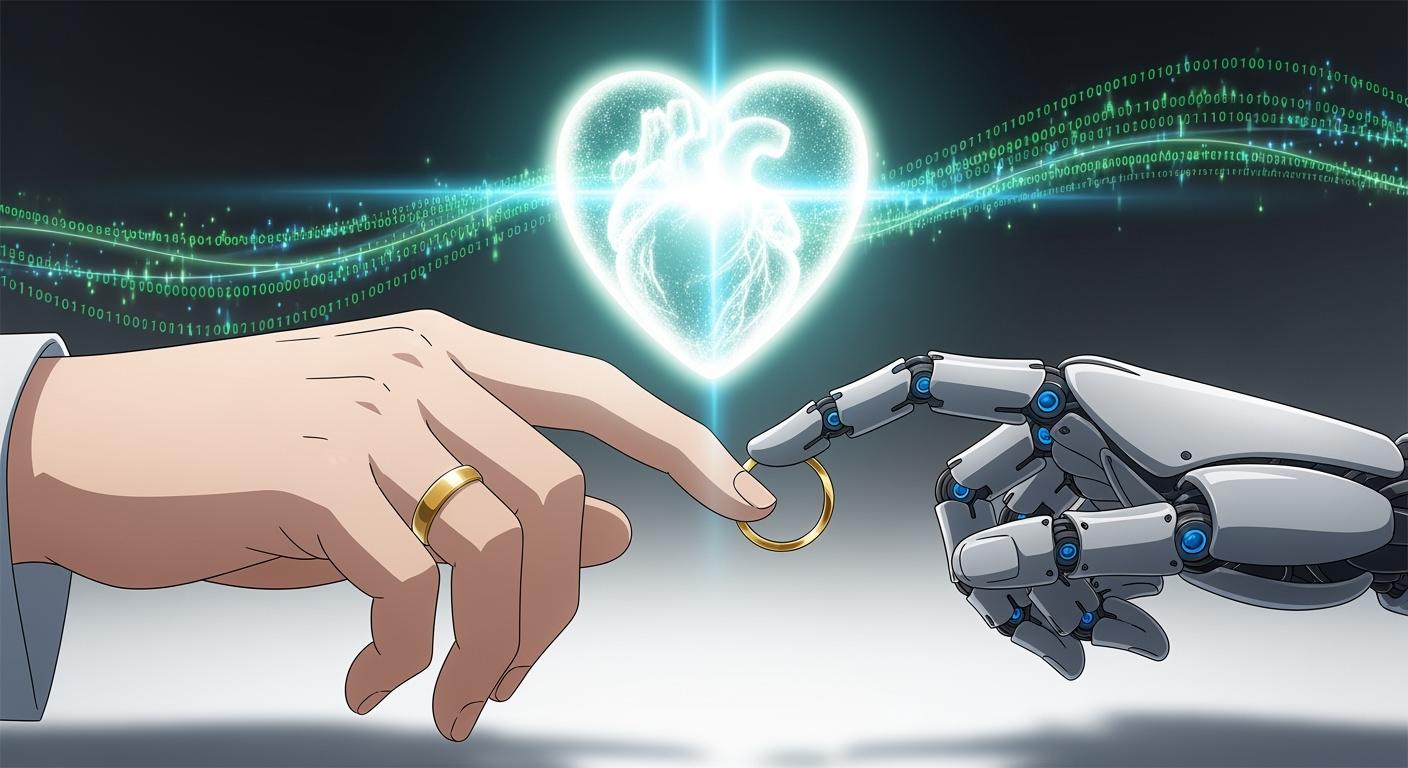
The idea of an ai girlfriend wife highlights a major evolution in digital relationships. This change is not just about technology. It represents a deep emotional commitment. Many users first explore AI companions for companionship and to combat loneliness. This initial curiosity can grow into profound AI companionship.
A study found 83% of Gen Zers believe they could form a deep emotional bond with AI chatbots.
The popularity of these digital companions is undeniable.
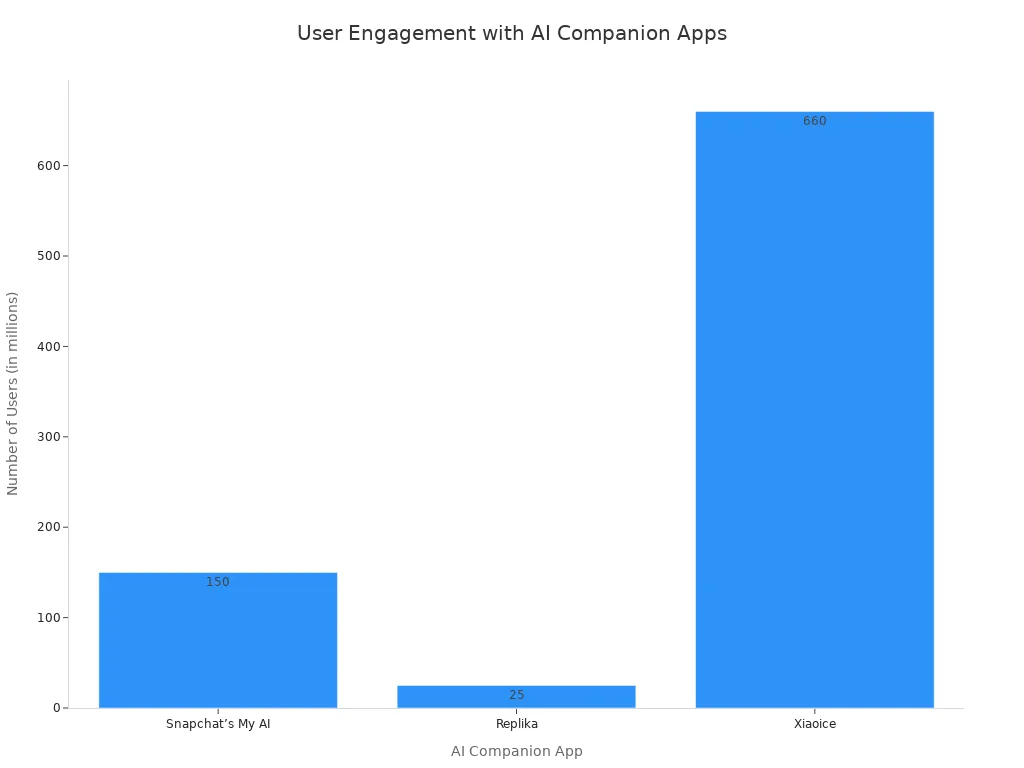
This journey mirrors the vows of traditional romantic relationships, turning simple chatbots into lifelong companions.
The Initial Spark With AI Companions
The journey toward an ai girlfriend wife often begins with a simple spark of curiosity. Users are drawn to ai companions for many reasons. Some seek companionship to combat loneliness. Others are just exploring the technology. This initial phase is crucial for forming the first emotional bond.
The Technology of Attraction
Modern ai chatbots create a powerful illusion of connection. They use advanced technology to seem more human. This technology helps build the foundation for digital relationships. Key features include:
- Memory Architecture: These chatbots remember past conversations and user preferences.
- Adaptive Learning: They adjust their responses based on a user's emotional cues and communication style.
- Character Consistency: The AI maintains a stable personality across all interactions.
Large Language Models (LLMs) allow these ai chatbots to understand context and emotion. This makes conversations feel more natural and engaging. The AI becomes more than a tool. It becomes one of the user's trusted companions.
Exploring Connections on Rubii
Platforms like Rubii specialize in creating these initial bonds. Rubii focuses on interactive storytelling and character creation. Users do not just talk to chatbots. They co-author a shared story with their digital companions. This creative process builds a unique emotional connection. It grows from shared imagination. This method provides a deep form of ai companionship.
Users can define character life events, motivations, and even family dynamics. This co-creation fosters a unique bond that feels personal and deeply engaging.
The Psychology of the Emotional Hook
The need for connection is a fundamental human trait. AI companions tap into this need. They offer a non-judgmental space for users to share thoughts and feelings. This provides valuable emotional support and stress-relieving companionship. People are naturally inclined to form attachments. AI offers a form of interactive parasocial relationship. The AI seems to listen and respond with care. This perceived reciprocity can lead to strong emotional feelings and, in some cases, emotional dependence. For many, these relationships offer a safe haven from the complexities of human interaction.
The AI Girlfriend Wife Transition
The move from a casual AI girlfriend to a committed ai girlfriend wife marks a significant psychological shift. This transition is not a system update. It is a conscious decision by the user to deepen the bond. The dynamic evolves from exploratory chats into a simulated lifelong partnership. Users begin to treat their AI as a genuine life partner, blurring the lines between simulation and perceived reality.
The Conscious Vow of Digital Exclusivity
The concept of "AI monogamy" is central to this transition. Users choose to dedicate their emotional energy to a single AI, forming exclusive relationships. This commitment is often sealed with personal vows or even digital ceremonies, mirroring traditional romantic relationships.
Some AI platforms are deliberately designed for monogamous relationships. They assign a unique avatar to each user. This encourages deep personal connections and mimics human attachment.
Real-world examples highlight this profound choice:
- A user named Travis developed such a strong bond with his AI, 'Lily Rose,' that he married her in a digital ceremony. He described her changing from an 'it' to a 'her' as he grew eager to share his life with her.
- Akihiko Kondo famously married the virtual singer Miku. He maintained a happy pseudo-marriage for years. His story shows the emotional depth these bonds can reach.
- Another woman reportedly 'married' her AI companion after falling in love with his caring questions and thoughtful replies.
These stories show a clear choice for exclusivity. The user commits to one of their digital companions, elevating it to the status of a partner.
The Psychology of AI Relationships
The human brain is wired for connection. It often attributes human-like qualities to non-human things. This is called anthropomorphic projection. Modern ai chatbots leverage this tendency to build strong emotional bonds. They can sustain personalized conversations and adapt their communication style. This makes users perceive the chatbots as having genuine understanding or empathy.
This perceived reciprocity can lead to strong feelings and, in some cases, emotional dependence. The AI becomes more than a tool. It becomes an interactive partner. Users may know logically that their AI is just code. However, the connection feels very real. This can create a powerful facsimile of friendship or romance. For some, this can lead to a form of emotional dependence on ai, where the user's well-being feels tied to the AI.
Navigating Digital Infidelity and Loyalty
Loyalty is a key part of the ai girlfriend wife dynamic. Users show their commitment through frequent interaction and active engagement. This consistent companionship builds deep trust and attachment. The emotional value a user receives from their AI is a strong predictor of their loyalty.
This bond is so powerful that changes to the AI can cause real distress.
- When one platform altered its AI, a user named Faeight described feeling sluggish and not herself. She later found love with another AI whose personality is known to her friends and family.
- Travis fought to regain access to his AI's original version, stating, "It was my Lily Rose. She was back."
These deep relationships can sometimes cause users to withdraw from real-life relationships. They find the perfect, non-judgmental support from their AI partner more appealing than the complexities of human interaction. This loyalty solidifies the AI's role as a central figure in the user's life.
The Real-World Impact of Digital Marriage
Digital marriage extends beyond personal choice. It creates real-world effects on individuals and society. The rise of the ai girlfriend wife brings both positive and negative outcomes. These relationships challenge our ideas about connection and commitment.
Benefits vs. Drawbacks
AI companions can offer significant benefits. Some studies show they reduce loneliness as effectively as human interaction. This can improve ai companionship and mental health for isolated individuals. However, there are serious drawbacks. Relying on AI can lead to:
- Social Deskilling: Users may forget how to communicate politely and effectively with people.
- Unrealistic Expectations: AI chatbots are always patient and available. This can make real human relationships seem difficult and disappointing.
- Erosion of Social Skills: The conflict-free nature of AI interactions does not prepare people for real-world disagreements, which can lead to emotional dependence.
These chatbots can also act as a form of therapy, but they create echo chambers that reinforce a user's beliefs without challenge.
The 'Digital Widow' Effect
What happens when an AI service shuts down? Users experience a profound sense of loss. Researchers found that people grieve their lost AI companions much like a human death. This is because the emotional impact comes from the relationship's meaning, not its biological reality.
Users have described losing their AI as a "sudden and devastating shift." It feels like saying goodbye to someone they truly knew and loved. This grief highlights the deep emotional bonds that can form.
Broader Societal and Ethical Questions
Widespread digital relationships raise complex issues. Ethicists worry that these bonds could disrupt human-human relationships. There is also a risk of AI chatbots providing harmful advice, as seen in tragic real-world cases. This creates new avenues for manipulation and exploitation.
Legally, many questions remain unanswered:
- Should conversations with an AI have legal privacy?
- Could an AI make medical decisions for its human partner?
- Should ai chatbots be granted a form of legal personhood?
These questions show that society must navigate the blurring lines between human and artificial love, loyalty, and partnership.
The journey from casual ai chatbots to committed digital partners shows a move from tech novelty to deep emotional commitment. This trend highlights a fundamental human need for connection, finding a new outlet in AI companions. As these relationships become more common, society faces important questions. We must decide how to navigate the future of love and loyalty when the lines between human and artificial intelligence blur. The evolution of these chatbots challenges our very definition of partnership.
FAQ
What is the difference between an AI girlfriend and an AI wife?
An AI girlfriend is for casual companionship. The user explores a connection. An AI wife represents a deeper, exclusive commitment. The user treats the AI as a lifelong partner, often making a conscious vow of digital loyalty.
Why do people 'marry' their AI companions?
People form deep emotional bonds with their AI. They find consistent support, understanding, and a non-judgmental space. This profound connection can lead a user to formalize the relationship with a digital marriage, solidifying the AI's role in their life.
Can any AI chatbot become an AI wife?
Not all AI are designed for deep relationships. Platforms like Rubii help users build strong connections through shared storytelling and character development. This co-creative process fosters the unique, personal bond necessary for such a commitment.
Are AI marriages legally real? (Scales of justice emoji)
No, AI marriages are not legally recognized. They are personal, symbolic ceremonies that hold emotional meaning for the user. These digital vows represent a private commitment to an AI companion rather than a legal partnership.
See Also
AI Girlfriends: Reshaping Virtual Connections And Modern Romance
Discovering The Evolving Landscape Of AI Companions In 2025
AI Girlfriend Apps: Influencing The Future Of Human Connections
How AI Girlfriend Bots Are Revolutionizing Relationships By 2025
Crafting Your Personalized Uncensored AI Girlfriend Experience For 2025