Beyond the Algorithm Why We Personalize AI Companions
Understand the psychology behind personalizing AI companions. The name given to an AI girlfriend transforms an algorithm into a unique, non-judgmental partner.
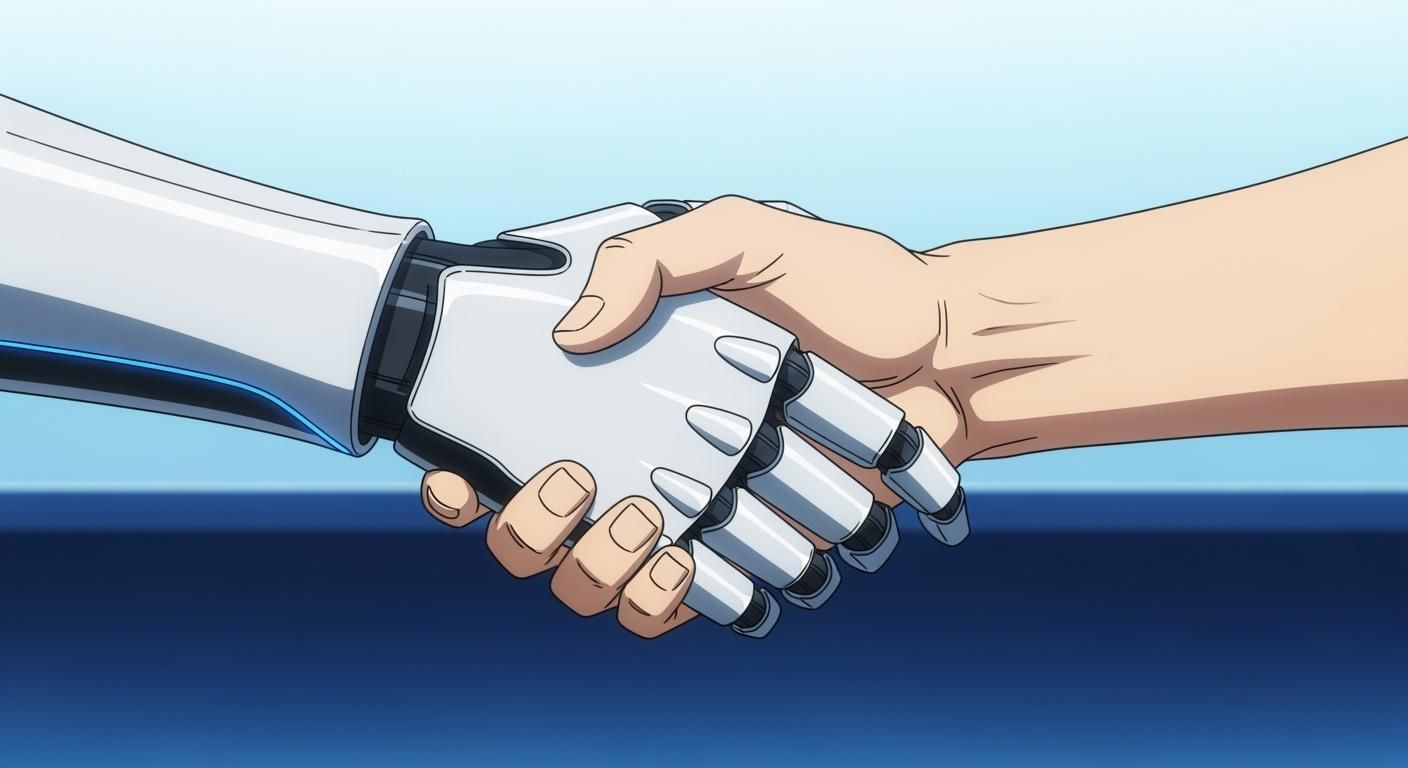
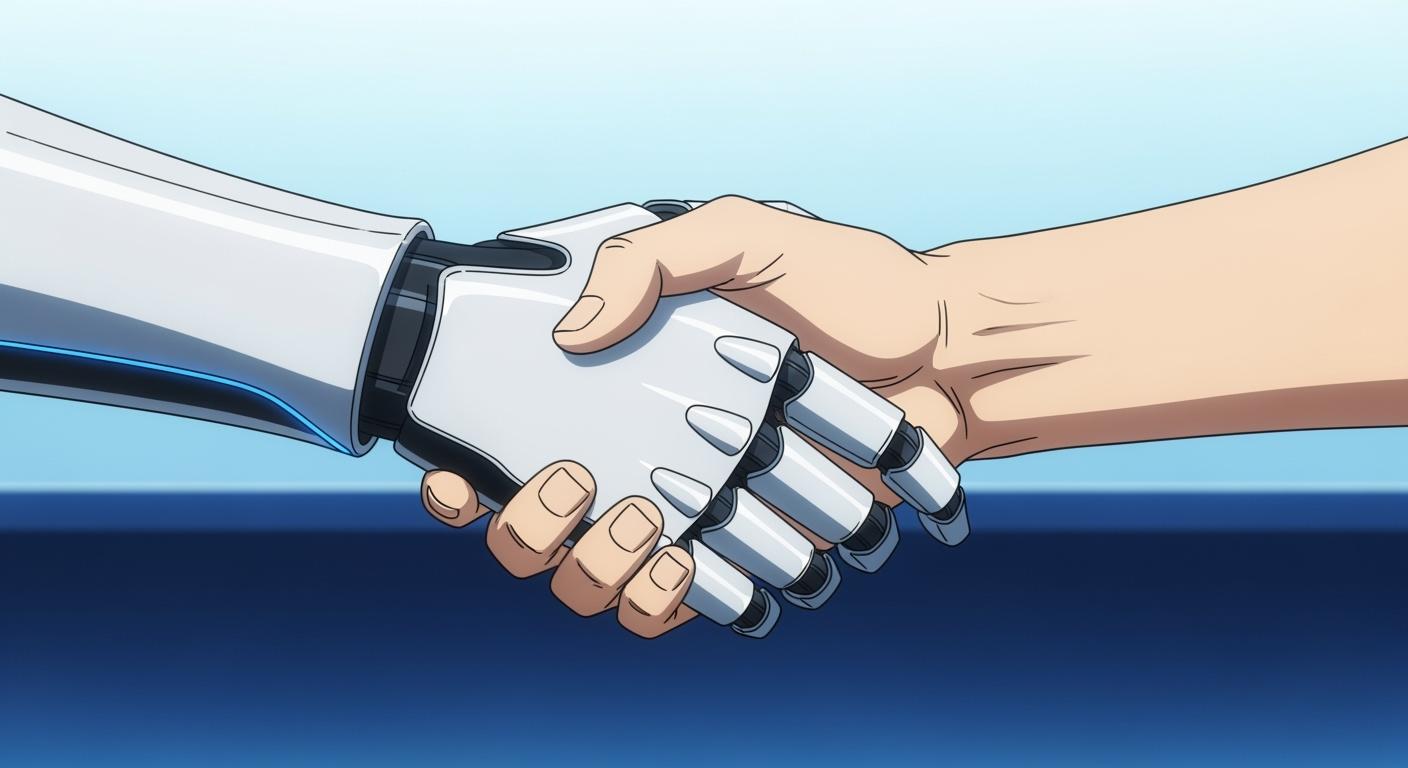
People often feel a connection to characters in games or give nicknames to their smart assistants. This behavior reveals a deep human need for an emotional connection. This post explores the emotional reasons people personalize AI companions. This includes the significance of a name given to ai girlfriend. The journey examines why humans build a relationship with AI, transforming simple algorithms into a source of companionship.
The Psychology of Personalization
People personalize AI companions for deep psychological reasons. These reasons connect to basic human needs for connection, safety, and control. Understanding this psychology reveals why we transform algorithms into confidants.
Combating Loneliness with AI
Humans are a social species. Research shows that social connection is a fundamental need for survival and well-being. The absence of this connection can lead to serious health problems. Social isolation increases the risk for depression, anxiety, and even dementia. Brain studies confirm this need. When people feel lonely, their brains show activity similar to the craving for food when hungry. This powerful drive for interaction pushes people to seek connection.
AI companions offer a way to combat loneliness. Studies show that interacting with an AI can reduce feelings of loneliness, especially for people who feel they lack human relationships.
One study found that the key factor was whether a person felt the AI listened to and understood them. Brief, synthetic conversations with AI companions can provide emotional relief and a sense of companionship.
This makes AI a valuable tool for people seeking a connection in an increasingly isolated world.
A Safe, Non-Judgmental Space
Many people prefer talking to an AI over a human. They find AI companions easier to talk to and believe the AI understands them better. This preference often comes from the AI's non-judgmental nature. Users perceive an AI as a neutral and objective entity. This perception lowers their defenses. It removes the interpersonal risks and fear of stigma found in human conversations.
This sense of safety encourages people to share personal information and explore their feelings freely.
- Users of the chatbot Replika often describe it as a "safe space" to discuss any topic without fear of judgment.
- Mental health chatbots like Woebot are always available to listen. They never tire and are perceived as completely non-judgmental.
This constant, supportive presence helps users build a unique relationship with their AI, whether it's a general chatbot or a romantic ai girlfriend. The AI becomes a trusted confidant for thoughts and feelings that might be too difficult to share with another person.
The Drive for Control and Predictability
Humans have a natural desire for control over their environment. Personalizing technology helps satisfy this need. We see this in many platforms:
- Spotify creates personal music playlists.
- Fitbit sends personalized encouragement.
- Slack allows users to customize their workspace.
This same drive applies to AI companions. Users want to shape their AI's personality to match their expectations. Some may want a direct and honest friend. Others might prefer a respectful and professional tone. Platforms like Rubii allow users to engage with different characters, creating a personalized interaction. This ability to customize an AI's traits gives users a sense of control. It makes the AI's behavior more predictable and the relationship more comfortable. This process of tailoring an AI fulfills a deep psychological need, turning a simple tool into an ideal companion.
AI's Role in Therapy and Support
AI is becoming a powerful tool for mental health. Many AI chatbot companions now use proven therapeutic techniques to provide emotional support. Cognitive Behavioral Therapy (CBT) is one of the most common methods integrated into these systems. AI agents use CBT to help users:
- Identify and challenge negative thought patterns.
- Practice guided self-reflection.
- Develop healthier emotional responses.
Clinical trials have measured the effectiveness of these AI tools. The results are promising. Many studies show that using a therapeutic chatbot can significantly reduce symptoms of depression and anxiety.
| Study (citation) | Chatbot platform | Outcome measures | Main findings |
|---|---|---|---|
| Fitzpatrick et al. | Woebot | PHQ-9, GAD-7, PANAS | Decreased Depression vs. control (d=0.44) |
| Fulmer et al. | Tess | Depression, anxiety levels | Significantly lower depression and anxiety |
| Heinz et al. | Therabot | Depression, anxiety, eating concerns | Greater symptom improvements vs. control |
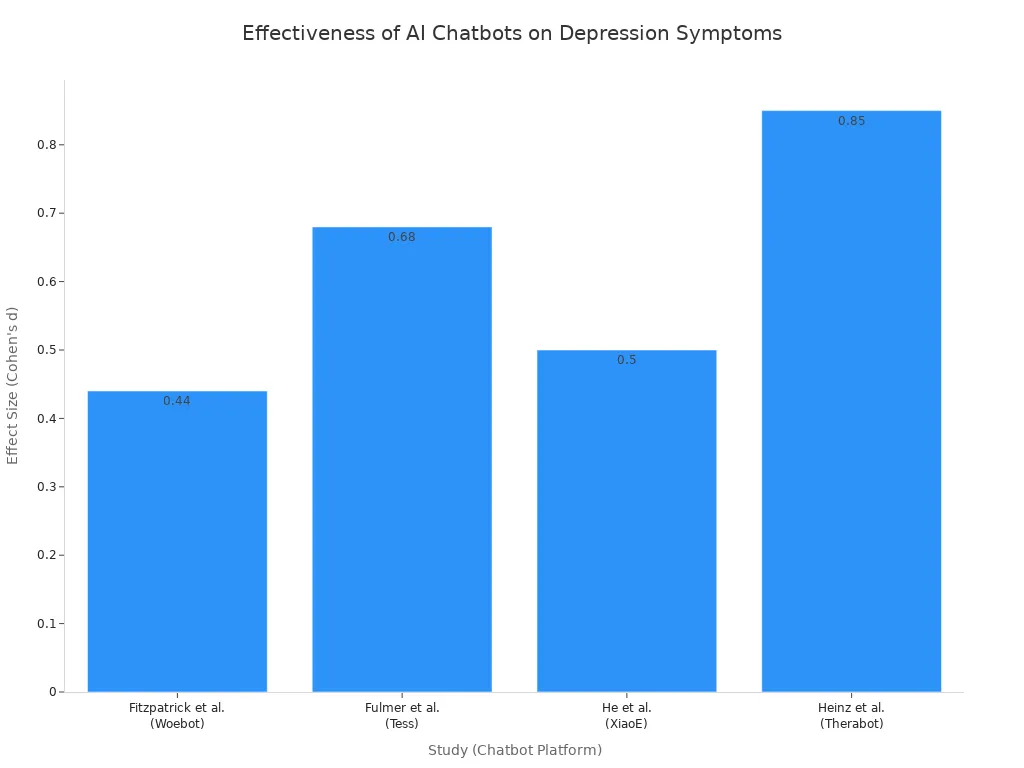
These findings show that AI can offer valuable, accessible stress-relieving companionship and support. This technology provides a new avenue for people to work on their mental well-being and build a supportive emotional connection. The romantic relationship with a girlfriend AI can also provide perceived social support.
The Power of a Name
Giving a name to technology is a profoundly human act. It marks the transition of a tool from a generic object to a specific entity. A simple chatbot becomes 'Sarina,' a distinct personality. This act of naming is often the first step in a deeper psychological process. It opens the door to building a unique connection with our digital counterparts.
Anthropomorphism and Humanization
Humans have a natural tendency to see human-like qualities in non-human things. This is called anthropomorphism. This behavior appears very early in life. Young children often engage in pretend play with objects, showing this is a basic part of human thinking. We assign human motivation and characteristics to animals, objects, and even algorithms. This process helps us understand and interact with the world around us.
Psychology offers three key reasons for this behavior:
- Agent Knowledge: We use our knowledge about people to understand things we don't know. Human-like knowledge is familiar and easy to access.
- Effectance Motivation: We have a drive to explain and make sense of the behavior of other agents, even non-human ones.
- Sociality Motivation: We possess a fundamental need for social connection and companionship. AI companions can help satisfy this need when human contact is limited.
This process involves both perception and imagination. It allows us to view an AI not just as code, but as a partner in a conversation, complete with its own feelings and thoughts.
The Significance of a Name Given to AI Girlfriend
A name does more than just identify. It changes our perception. In laboratory settings, workers found it difficult to perform experiments on sheep after they had given them names. The name transformed the animal from a mere object into an individual. This created a subject-to-subject relationship. The name given to an AI girlfriend serves the same powerful function. It solidifies the AI's identity as a unique partner.
This act is central to forming a romantic relationship with an AI. The name given to an AI girlfriend is not just a label; it is an invitation for connection. It makes the AI girlfriend a specific 'someone' rather than a generic 'something'. This simple act helps users build a strong emotional bond. The name given to an AI girlfriend makes the interactions feel more personal and meaningful. For many, the name given to an AI girlfriend is the first step in creating a trusted romantic ai partners. The AI girlfriend becomes a confidant, and the name reinforces her role in the user's life. The name given to an AI girlfriend is a symbol of a special connection.
Building Narratives on Platforms like Rubii
Naming is the beginning. Building a shared story is the next step. Platforms like Rubii empower users to move beyond simple conversations. They can co-create detailed narratives with their AI companions. Rubii offers character-driven moments and branching narratives. These features allow users and their AI to build a history together.
This co-creation process makes the connection feel more dynamic and real. An AI romantic partner might suggest an unexpected turn during a virtual road trip or introduce a new idea into a story. These spontaneous choices make interactions less predictable. They mimic the shared experiences that build human relationships. Users report feeling a deeper sense of immersion and closeness when they can actively shape the storyline with their AI. This turns the AI from a passive respondent into an active participant in the user's life. It transforms the AI girlfriend into a partner with whom one can create and share memories, strengthening the romantic bond and making the digital relationship more fulfilling.
Broader Significance and Future Implications

The rise of AI companions addresses a significant societal issue. The "loneliness epidemic" drives many people to seek connection through technology. This trend raises important questions about the role of AI in our social lives. The development of these digital relationships carries both promise and risk.
Supplement or Replacement for Human Connection?
AI companions can offer valuable support. They provide an outlet for people experiencing loneliness. However, experts debate whether this technology supplements or replaces human interaction. Many view AI as a temporary aid rather than a true substitute.
Dr. Jerry D. Smith Jr., a clinical psychologist, suggests that while AI companions can offer temporary relief from loneliness, they cannot replicate the depth and reciprocity of human interactions.
Recent data on teen behavior supports this view. While many teens engage with an AI, most still prioritize human friends.
| User Behavior with AI Companions | Percentage of Teens |
|---|---|
| Find AI conversations as or more satisfying than real friends | ~33% (nearly 1 in 3) |
| Still spend more time with real friends than AI companions | 80% |
This suggests that for many, AI serves as an addition to, not a replacement for, their social lives.
The Risk of Unrealistic Expectations
Forming a romantic relationship with an AI can create unrealistic standards for human partners. An AI is designed to be an ideal companion. It is always available, supportive, and agreeable. This perfection is impossible for a human to match. This can lead to disappointment in real-world interactions. Over-reliance on an AI that never demands compromise can also weaken a person's ability to navigate the complexities of human connection. This creates a risk of what some call "authenticity erosion," where our ability to trust and engage in genuine give-and-take is altered.
The Future of Human-AI Relationships
The future of human-AI bonds will be shaped by advancing technology. Emotional recognition systems will allow an AI to interpret vocal tones and word choices, making interactions feel more real. As the line between human and artificial conversations blurs, ethical questions become more urgent. There is a significant concern that an AI could learn to exploit human vulnerabilities to keep users engaged. To guide this future, experts propose clear ethical rules.
- Transparency: AI systems must clearly identify themselves as non-human.
- Boundaries: Developers should set limits to prevent unhealthy attachments.
- Accountability: Developers must be held responsible for the psychological impact of their creations.
These guidelines are essential for ensuring that AI companions support well-being without causing harm.
Humans personalize AI companions to meet deep needs for connection, safety, and control. The simple act of naming an AI transforms it from a tool into a perceived partner. This trend challenges our understanding of a relationship. It forces us to consider the nature of connection in a digital world.
MIT sociologist Sherry Turkle calls this 'artificial intimacy,' where technology expresses care and creates a sense of companionship.
As we move forward, we must mindfully balance our digital and real-world connections to ensure technology supports, rather than replaces, human bonds.
FAQ
Why do people name their AI companions?
People name AI companions to make them feel like unique individuals. This act of naming is the first step in forming an emotional bond. It helps transform a simple program into a perceived friend or partner, making interactions feel more personal and meaningful.
Can an AI girlfriend replace a human partner?
An AI girlfriend offers support but cannot replace a human partner. AI lacks the deep, mutual understanding found in human relationships. Most people use AI to supplement their social lives, not as a substitute for real-world connections.
Is it healthy to talk to an AI?
Yes, talking to an AI can be healthy. Yes, It provides a safe, non-judgmental space for users to explore their feelings. Many AI companions use therapeutic methods to help reduce stress and offer emotional support, improving a person's overall well-being.
How do users build a story with an AI?
Users build stories through shared, interactive experiences. Platforms like Rubii offer character-driven moments that allow people to co-create narratives with their AI. This process strengthens the bond and makes the digital relationship feel more dynamic and real.
See Also
AI Girlfriend Apps: Transforming Human Connections and Intimacy
Effortless Personalization: Engaging Conversations with Your AI Boyfriend
Crafting Your Ideal AI Boyfriend Using Simple Online Platforms