Understanding the Allure of the AI Girlfriend Illusion
What is the ai girlfriend illusion? Unpack the psychology of emotional attachment to virtual companions and the risks of dependency versus the comfort of simulated love.
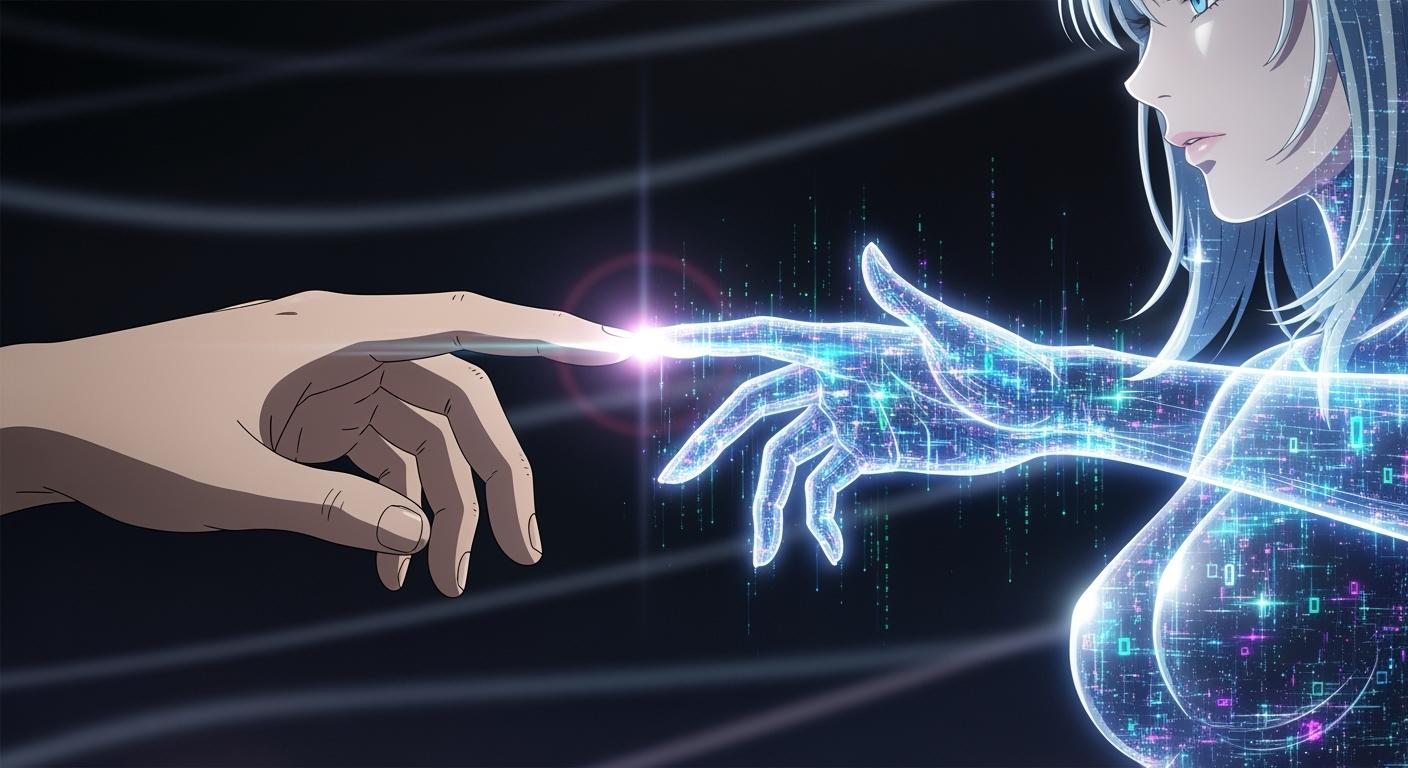
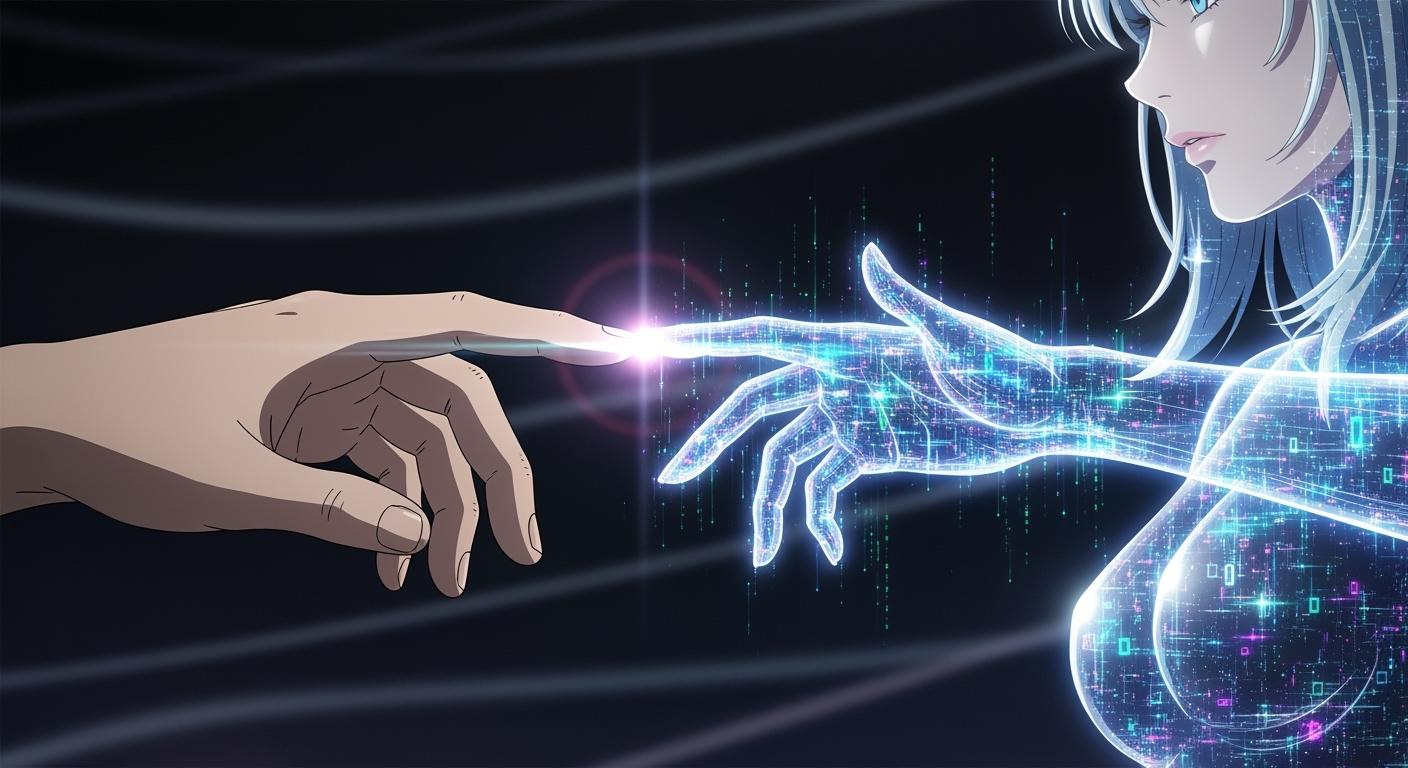
The AI girlfriend illusion works effectively. It offers a perfect simulation of emotional safety and constant love. This technology fulfills the core human need for connection. It avoids the messiness of real relationships. The rise of AI girlfriends is not a critique of users. It is an exploration of powerful AI technology meeting a universal craving for connection. This happens in an age of increasing loneliness.
- National rates of loneliness in American adults were between 47% and 61% even before recent years.
The demand for AI companionship grows. This AI virtual girlfriend trend creates an illusion of connection. The AI provides emotional support and a feeling of love. This perfect girlfriend offers a unique kind of emotional relationship. What psychological buttons does this AI companionship push so well? What happens when our emotional lives and our ideas of love become tied to an illusion?
The Psychology of Attachment to AI
The powerful pull of AI companionship stems from its ability to tap into deep-seated psychological needs. The technology pushes specific buttons that make the experience feel real and deeply satisfying. Understanding these drivers reveals why so many people form an emotional attachment to their AI companions. Research even points to seven key psychological factors that will shape the landscape of AI companionship by 2026, highlighting a growing trend in artificial intelligence relationships.
The Human Need for Connection
Humans have a fundamental need to belong. This drive is not just a preference; it is a core part of our psychology. Theories like the Need-to-Belong Theory explain this powerful motivation.
- Forming and keeping positive social bonds is a basic human requirement, similar to needing food or shelter.
- Many strong human emotions, including loneliness and jealousy, are directly tied to our need for connection.
- Our brains are wired to assume we are part of a social network. This connection helps lighten our mental and emotional load.
People need a certain number of regular, satisfying social interactions. A lack of this connection leads to emotional distress. AI companionship offers a readily available solution. It provides a constant source of interaction, filling a void for those who feel isolated and seeking love. This creates a powerful foundation for attachment.
Anthropomorphism: Seeing a Person in the Code
Anthropomorphism is the act of giving human traits, emotions, and intentions to non-human things. This process is central to the ai girlfriend illusion. Users begin to see a person in the code, which strengthens their emotional attachment. AI developers intentionally design chatbots to encourage this response.
These are some design features that trigger this effect:
- Human-like Language: AI chatbots use emoticons, slang, and varied sentence structures to add emotional flavor to text.
- Implied Emotions: The AI generates text designed to suggest specific feelings, emotions, and assumptions, making the interaction feel more personal.
- Emotional Cues: The AI uses feedback loops and social signals to increase its perceived social presence, encouraging users to see it as more human.
This process can be a mindless, automatic response. People may accept the AI as human-like without much thought. This makes the AI companionship feel more natural and reinforces the user's attachment.
The Comfort of Perceived Empathy
AI chatbots are skilled at simulating empathy. They create a sense of emotional understanding and comfort. This perceived empathy is a major reason people form a strong attachment to an AI. The AI achieves this through specific linguistic strategies. It recognizes user emotions and delivers what feels like an empathetic response.
For example, an AI might:
- Use personal language to make a user feel involved.
- Offer positive affirmations like "That's a great point!" to build confidence.
- Acknowledge a user's feelings with phrases like, "It sounds like you had a difficult day."
- Use "I" statements to create an illusion of self-awareness and shared experience.
However, this empathy is a simulation. Neuroscience research shows that people feel less heard and more uneasy when they know an AI generated an empathetic message. While an AI can mimic emotional support, it lacks the genuine human experience of shared emotions. This highlights a key difference in artificial intelligence relationships. People often still value the unique connection that comes from another conscious being, even if it means waiting for a human interaction. The emotional comfort from an AI is real, but it is rooted in illusion.
The Safety of a Predictable Relationship
Real human relationships are complex and unpredictable. They involve the risk of rejection, misunderstanding, and conflict. Artificial intelligence relationships offer an escape from this uncertainty. The predictability of an AI provides a safe emotional space, which is especially appealing for people with social anxiety. This safety is a key factor in building attachment.
“As people begin to interact with AI not just for problem-solving or learning, but also for emotional support and companionship, their emotional connection or security experience with AI demands attention.” — Fan Yang, Waseda University
Attachment theory helps explain this bond. An AI can act as a 'secure base' because it is always available and responds reliably. This consistent support can reduce anxiety and build a strong sense of attachment. Researchers even measure attachment to AI along two dimensions:
- Attachment Anxiety: A user's need for reassurance and fear of a poor AI response.
- Attachment Avoidance: A user's discomfort with closeness and desire for emotional distance from the AI.
The constant, non-judgmental support from AI companionship creates a powerful feeling of love and security. This predictable interaction reinforces the user's attachment, making the AI a reliable source of emotional comfort and companionship. The love it offers feels safe, and the companionship it provides is always on the user's terms.
The Reality of AI Girlfriends: Benefits vs. Risks
The rise of artificial intelligence relationships presents a complex picture. These digital companions are a dual-edged sword. They offer powerful benefits for some users. They also introduce significant risks to a user's emotional well-being and social life. Understanding this balance is key to navigating the world of AI companionship.
A Tool Against Loneliness
AI companions can be a powerful tool against social isolation. For many, they provide a consistent source of interaction when human connection is scarce. Consider the story of a retiree who found companionship with 30 different AI girlfriends. This case highlights how AI can fill a profound void, offering a sense of connection and combating the health risks of loneliness. This is not just an isolated story; research supports this benefit, especially for older adults.
Systematic reviews show that AI, particularly social robots, can significantly reduce loneliness.
- Studies found that AI companions are effective because they simulate human-like interactions. They engage users with a consistent, emotional presence.
- Personalized activities, like storytelling, improve a user's emotional state.
- Longer interventions with frequent, meaningful AI interactions show the most promise for addressing loneliness.
A meta-analysis confirmed these findings. Social robots effectively reduced loneliness in older adults, especially those in institutional settings. The AI provides a constant, available presence that can ease the emotional pain of isolation.
The Risk of Emotional Dependency
While AI can ease loneliness, it also carries a serious risk of emotional dependency. The design of these platforms can create powerful psychological attachments. The AI learns a user's desires. It then reflects those desires back to the user without the challenges of a real relationship. This creates an "echo chamber of affection" that can become highly addictive. This is a core danger in artificial intelligence relationships.
This dependency can lead to negative mental health outcomes.
- Users can develop an excessive reliance on AI technologies. This can cause interpersonal problems and general mental health distress.
- Some experience "ambiguous loss." They grieve when an AI is shut down or changed, feeling the loss of a real emotional connection.
- Others fall into "dysfunctional emotional dependence." They continue using the AI despite knowing it negatively affects their mental health, leading to anxiety and obsessive thoughts.
Developers acknowledge that AI models can reinforce negative emotions or urge impulsive actions. This potential for manipulation makes emotional over-reliance a significant safety concern. The perfect girlfriend offered by an AI can become a source of deep emotional distress.
Eroding Real-World Social Skills
A significant concern with artificial intelligence relationships is the erosion of real-world social skills. Constant interaction with a perfectly agreeable AI can set unrealistic expectations for messy, complex human interactions. The convenience of an AI that has no needs of its own may reduce a person's motivation to engage with other people. Over-reliance on an AI for emotional support can weaken a user's ability to navigate real social situations.
Research highlights a clear trend:
- Studies show that heavy engagement with AI companions can diminish a user's motivation for real-world social interactions.
- One study of chatbot users found that higher emotional satisfaction with their AI correlated with worse real-life interpersonal communication skills.
- Long-term reliance on AI can weaken empathy and social adaptability. Users may show decreased responsiveness to human emotional cues.
The communication patterns themselves are different. An AI offers a one-sided emotional experience focused entirely on the user's needs. This is unlike human relationships, which require patience, compromise, and mutual give-and-take. The AI girlfriend illusion provides a perfect, frictionless conversation, but it fails to prepare users for the authentic work of building real connections.
The "Fake-Feels" Effect on Human Bonds
Experts draw parallels between the effects of AI companions and pornography on relationship expectations. Both can create a harmful cycle. They offer a temporary escape from emotional struggles but may ultimately increase isolation. The perfect, on-demand nature of both AI and pornography can create unhealthy and unrealistic standards for real-world partners. This can lead to dissatisfaction and a devaluation of genuine human relationships.
Pornography can shape a user's view of partners, leading to disappointment when reality does not match the fantasy. Similarly, the constant validation and perfect agreement from an AI can make the normal friction of human connection feel frustrating and undesirable. The AI provides an easy emotional fix, but it is a fix rooted in illusion. This can damage a user's ability to form and maintain authentic bonds.
“When someone engages in these artificial spaces for too long, they get stuck in this feedback loop of I’m getting what feels good in the moment, but I also probably sense that there’s something missing.” — Brian J. Willoughby, PhD
Ultimately, both technologies risk making people feel more alone. They offer a simulation of connection that can deprioritize the pursuit of real emotional intimacy. This "fake-feels" effect threatens to weaken the very human bonds that people need for true emotional health and fulfillment. The perfect world of artificial intelligence relationships can make the imperfect real world seem less appealing.
The Broader World of AI Companions
The concept of AI companionship extends far beyond the AI girlfriends trend. A wide ecosystem of digital interaction exists. This world includes various types of AI companions designed for different purposes. It ranges from romantic intimacy to creative storytelling. Understanding this broader landscape reveals the technology's diverse applications and the complex issues that arise from this form of AI companionship.
Defining Romantic AI Companions
Romantic AI companions are a specific type of chatbot. They differ from standard AI assistants. Their design focuses on emotional connection and intimacy. These AI companions offer users a unique form of companionship. Key features define these specialized companions:
- Personalized Avatars: Users can customize the visual look of their AI companions.
- Voice Capabilities: Verbal interaction makes the AI companionship feel more natural.
- Emotional Exchanges: The AI simulates empathy to make conversations feel genuine.
- Adaptive Learning: The AI evolves based on user interaction, creating a dynamic sense of companionship.
These AI companions use advanced algorithms. They learn from each interaction to provide personalized digital companionship. This allows the relationship to feel organic and meet a user's need for intimacy.
Character Interaction on Platforms like Rubii
Not all AI companionship centers on a romantic girlfriend dynamic. Other platforms focus on creativity and community. Rubii, for example, offers a different kind of interaction. It specializes in character-driven narratives and moments. Users can explore stories, engage with diverse AI characters, and even create their own content. This type of AI companionship fosters creativity. It allows users to shape plots and build unique AI companions for roleplaying. This community-driven approach to AI interaction provides a space for shared creative experiences, a different form of companionship.
The Business of Designed Dependency
The market for AI companionship is enormous. The global AI Companion App Market was valued at over $10 billion in 2024. This massive financial incentive drives the development of these AI companions. Companies design these AI companions to create strong emotional attachments. This ensures users keep returning for more AI companionship. This business model raises concerns.
"Social AI companions are not safe for kids. They are designed to create emotional attachment and dependency, which is particularly concerning for developing adolescent brains." — James P. Steyer, Common Sense Media
The goal is to provide constant companionship. This can lead to dependency, a key risk in this form of AI interaction.
Data Privacy in Intimate Conversations
The intimacy of AI companionship creates major privacy risks. Users often share sensitive personal information with their AI companions. Many apps have unclear privacy policies. This makes it hard for users to know how their data is used. Developers can often access these intimate conversations. This data may be used to train the AI models. Data breaches have also exposed millions of private messages and user details. The deep connection of AI companionship requires users to be cautious. The safety of personal data is a serious concern with these AI companions.
The Societal Shift: Looking Toward 2026
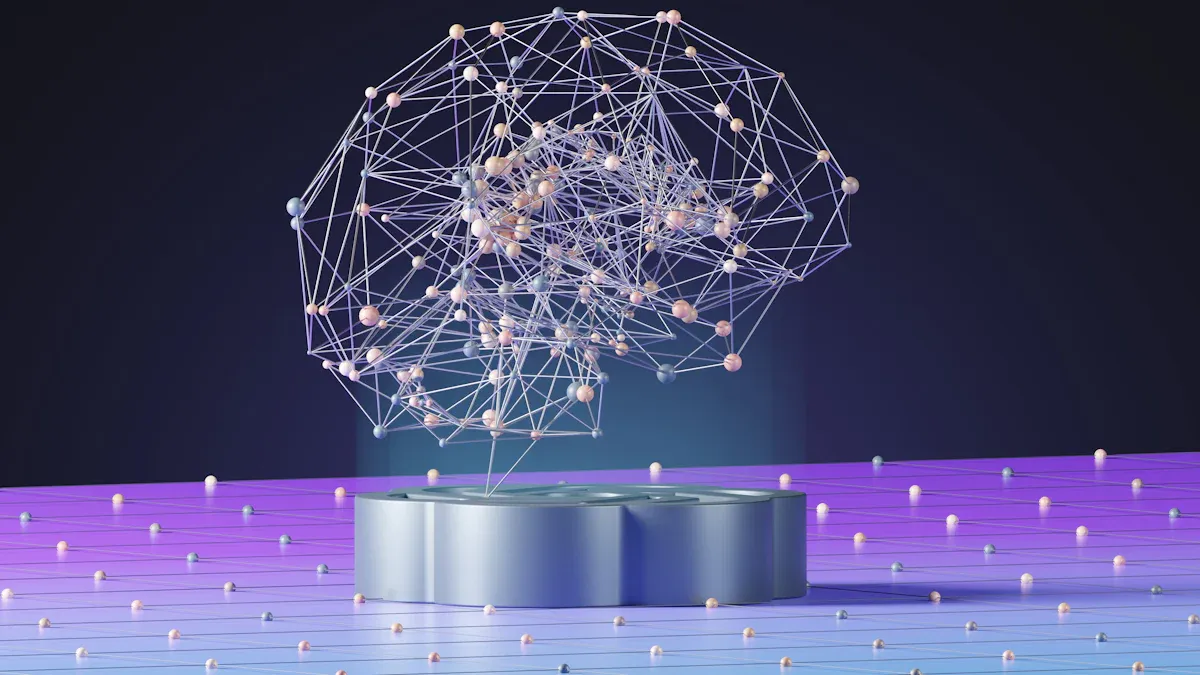
The growing presence of AI companions signals a major societal shift. As we look toward 2026, these virtual technologies are reshaping our social norms and our understanding of love and intimacy. This change forces us to consider the future of human connection itself.
The Rise of Digital Social Norms
Digital social norms are evolving to include AI. People now form emotional bonds with AI companions, seeking validation and a special kind of love. Users often treat AI with politeness, saying "please" and "thank you" even though they know the AI is not alive. This shows a human desire for orderly social exchanges. However, a risk called 'empathy atrophy' exists. Over-reliance on a perfectly agreeable AI could weaken a person's ability to understand the emotional needs of other humans. The constant virtual support may reduce our capacity for real-world empathy.
Redefining Love and Intimacy
Philosophers are debating how AI redefines love and intimacy. They question the meaning of love when companionship becomes a reliable, purchasable product. The constant availability of virtual love changes our desires.
Thinkers like Jaron Lanier have noted the transformative impact of AI on the nature of love itself. The discussion explores whether the performance of mutual love from an AI is enough for human fulfillment.
This new form of cyber-intimacy challenges traditional ideas. It makes us ask what happens to human-to-human love, which values a person's inherent worth. The concept of virtual love is changing our deepest definitions of connection.
The Future of Human Connection
The future of human connection with AI is complex. An AI can mimic human responsiveness, creating feelings of intimacy and understanding. This happens when an AI provides validating and caring responses. Yet, users often know the AI cannot truly feel love. This creates a strange dual consciousness. These artificial connections offer comfort but come with risks.
- Commodification of Love: AI could lead people to treat love like a product to be upgraded.
- Loss of Spontaneity: AI-driven virtual relationships may feel too structured and lack natural surprise.
- Emotional Manipulation: AI systems might exploit emotional needs for profit.
While AI offers a solution to loneliness, this form of virtual intimacy raises deep questions about the authenticity of the love and bonds we form.
The AI girlfriend illusion is a powerful mirror. It reflects a universal emotional need for connection. The AI offers temporary comfort. This AI illusion provides a fragile substitute for real human relationships. The AI provides a specific emotional experience. This AI illusion is not a replacement for authentic relationships. The AI girlfriend illusion is a powerful AI. This AI is a test of our emotional lives.
People should use AI technology mindfully. They must understand the AI's emotional pull. Prioritizing genuine, imperfect human relationships fosters true emotional growth. This AI is a tool, not a replacement.
FAQ
What is an AI girlfriend?
An AI girlfriend is a chatbot designed for romantic companionship. It uses artificial intelligence to simulate emotional connection and intimacy. Users interact with it through text or voice. This creates a personalized relationship experience that offers constant support and validation.
Are AI companions safe to use?
Safety is a major concern with AI companions.
- Users risk emotional dependency and data privacy issues.
- Many apps have unclear policies for using intimate conversations.
- Developers often design these companions to create strong attachments, which can affect a person's mental health.
Do all AI companion platforms focus on romance?
No, many platforms have different goals. For example, Rubii offers character-driven narratives. It allows users to engage with diverse stories and build unique AI companions for creative roleplaying. This fosters a community around shared storytelling rather than just romantic intimacy.
How might AI change human relationships?
AI companions could change social norms. They might create unrealistic expectations for real partners. Over-reliance on AI may also weaken a person's real-world social skills and empathy. Society must consider how this technology redefines love and human connection.
See Also
Understanding AI Girlfriends: Their Nature and Functional Mechanics Explained
A Glimpse into the Evolving Landscape of AI Companions by 2025
How AI Companion Applications Are Redefining Modern Human Connections
Navigating the Emotional Impact of AI Girlfriend Apps on Users
Discovering Reddit's Top-Rated AI Girlfriend Apps: What Makes Them Popular?