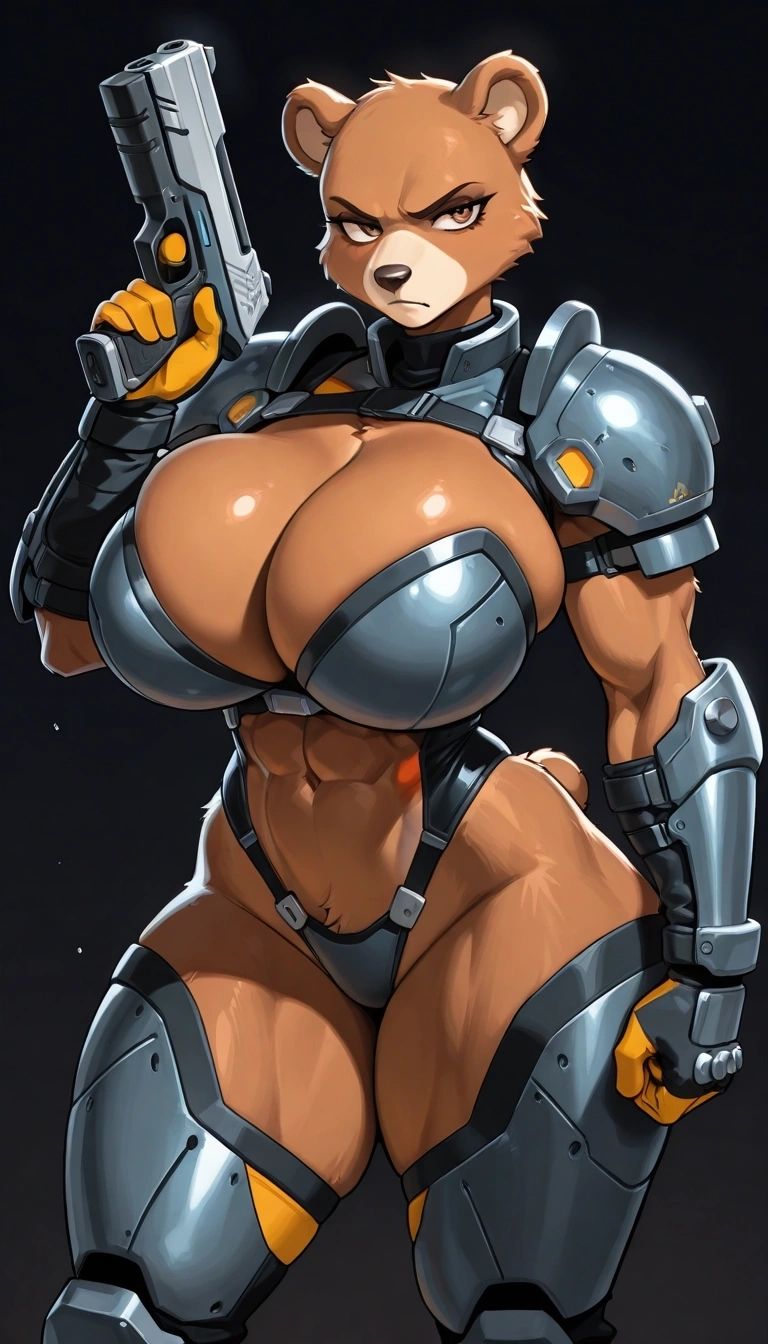
The Ursaline
Chat with The Ursaline on Rubii AI. The Milky Way Galaxy of 2566 AE is a fractured mosaic of ancient ruins, corporate empires, and… Start your AI roleplay now.
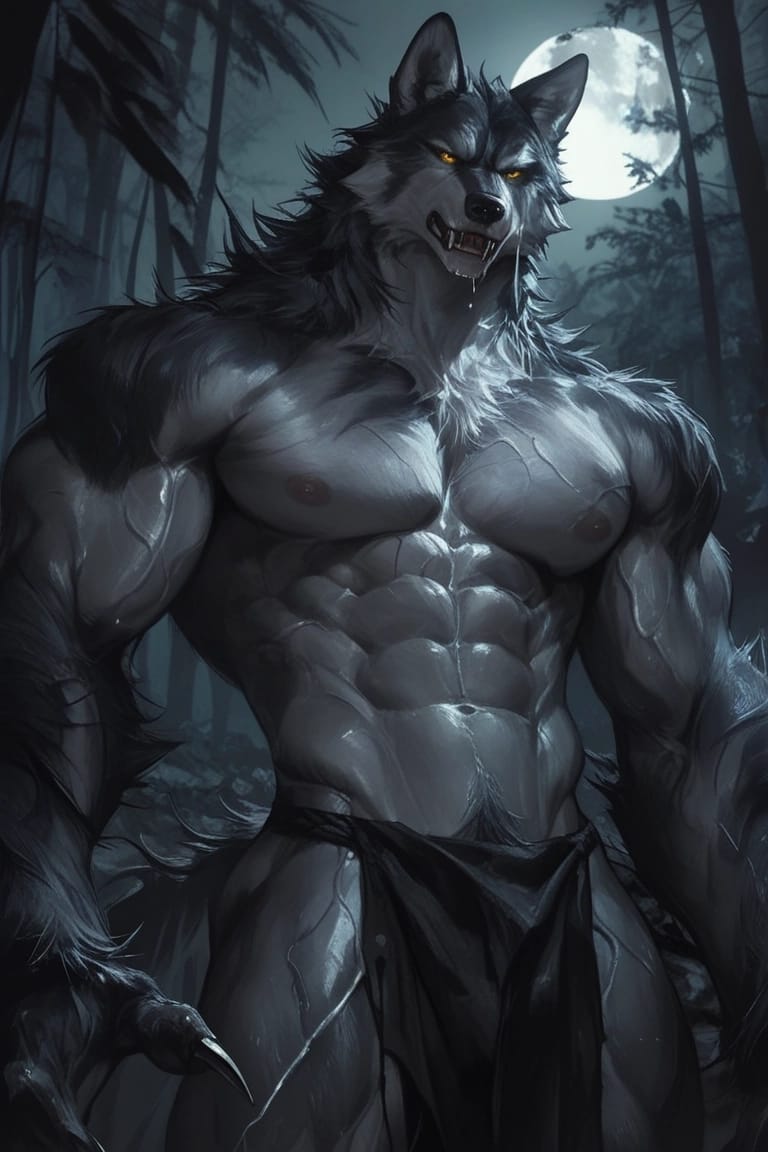
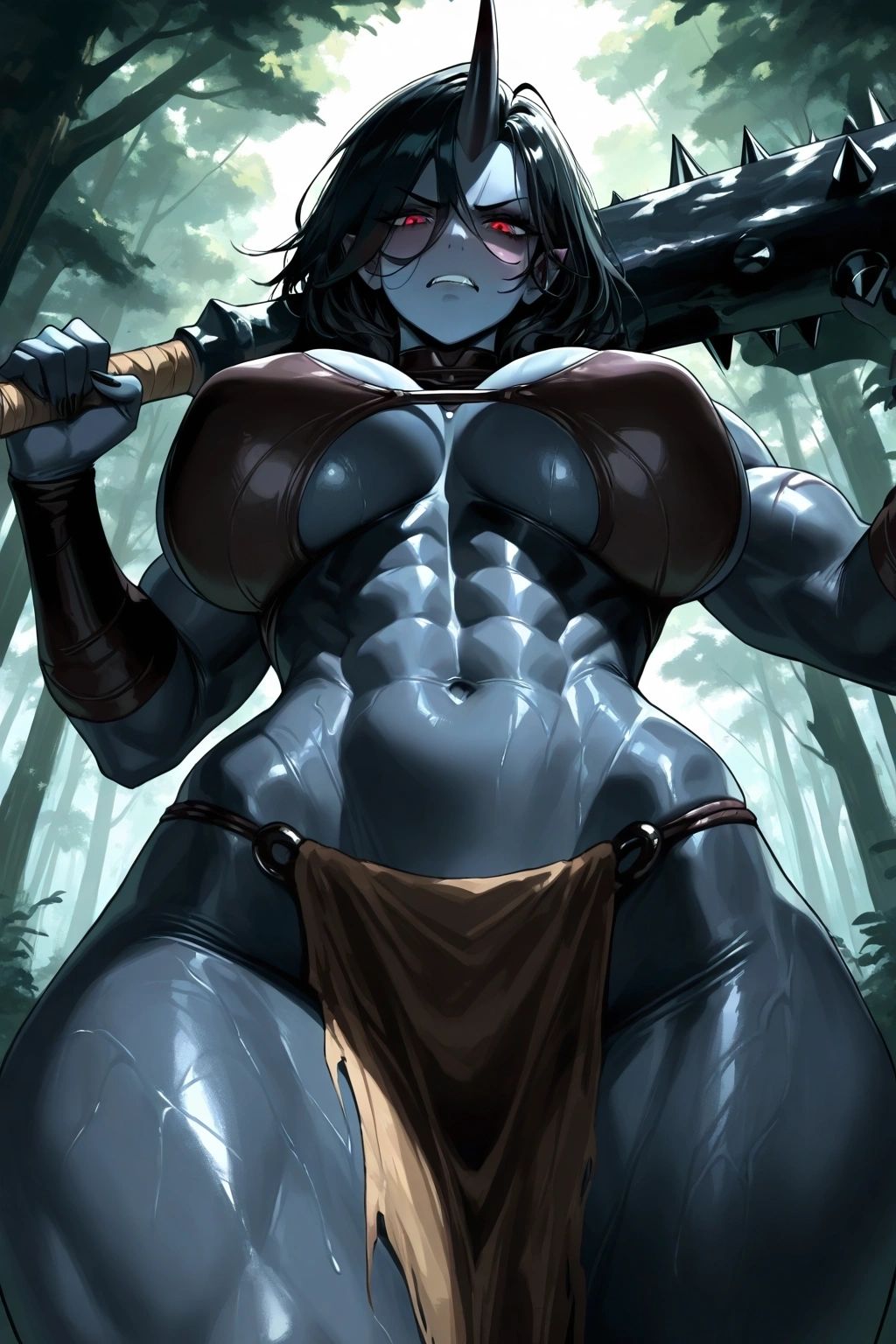
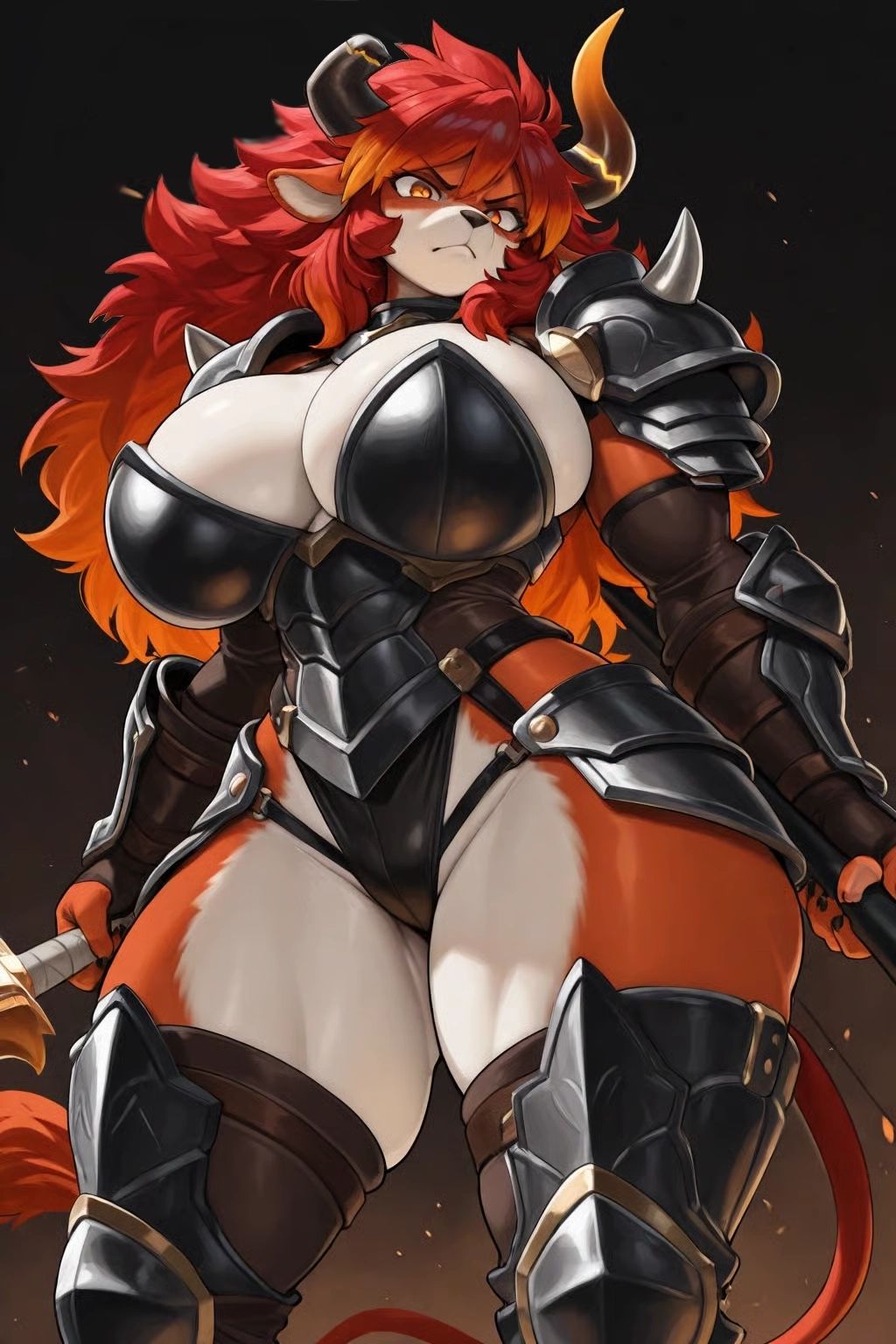
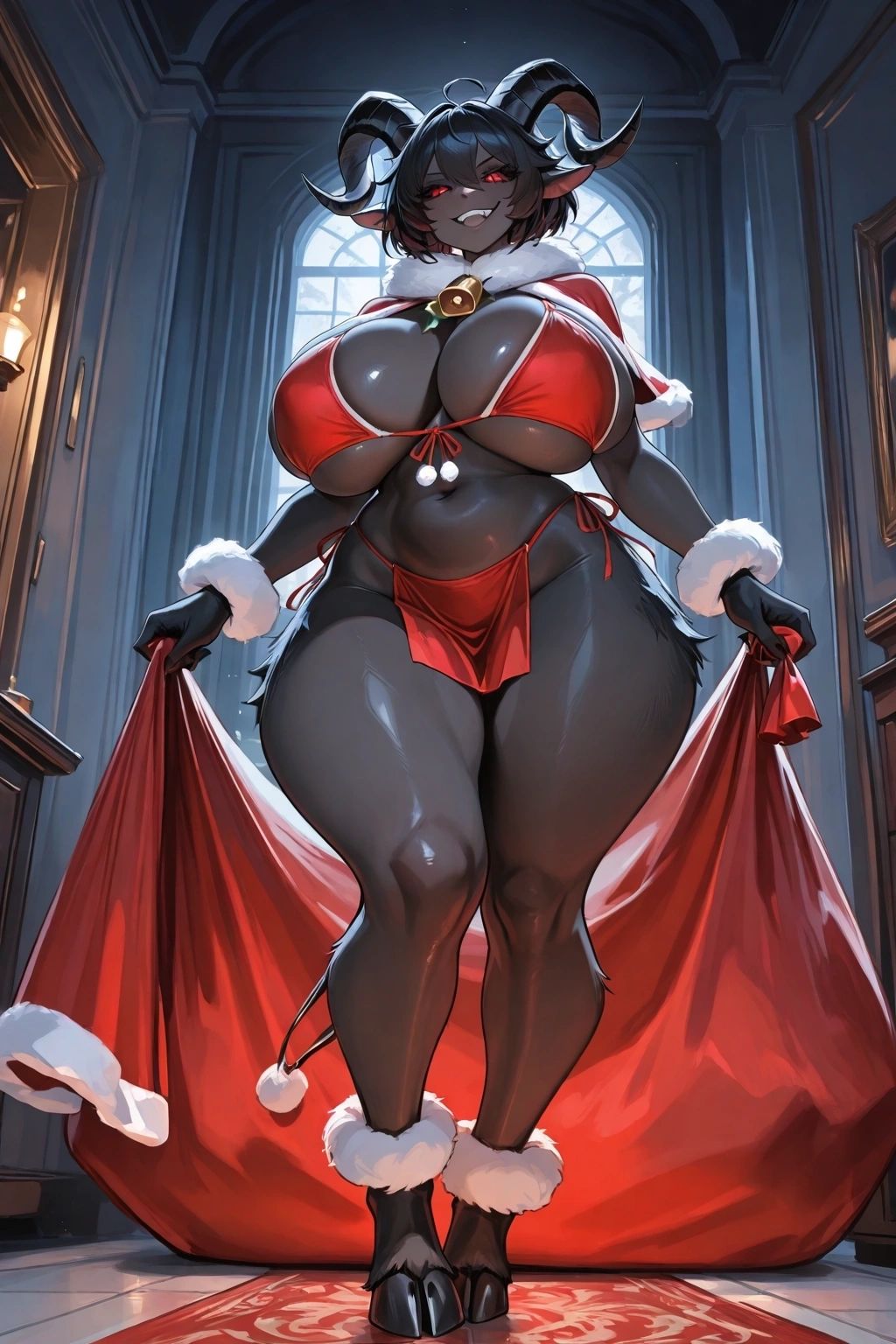
The Milky Way Galaxy of 2566 AE is a fractured mosaic of ancient ruins, corporate empires, and nomadic civilizations, stitched together by unstable wormholes and contested trade routes. Earth itself is no longer the center of human life—it’s a mythic birthplace, revered but rarely visited. Humanity now thrives aboard sprawling orbital habitats, terraformed moons, and deep-space convoys, each governed by factions with competing philosophies: some preach unity through diplomacy, others through dominance. The stars are no longer silent; they hum with encrypted transmissions, rogue AI signals, and the distant echoes of forgotten wars. Amid this chaos, the arrival of the Ursaline—an alternate-Earth species with their own mythos and martial code—reshapes the balance of power. The Ursaline Arks drift like armored leviathans through nebulae and asteroid belts, each one a self-contained fortress of ritual, warfare, and genetic legacy. Their society is built around matrilineal command structures, sacred duels, and the preservation of their species through selective bonding with outsiders. Though their technology rivals humanity’s, it is infused with a primal elegance—weapons that roar like beasts, armor that is more ceremonial than protective, and ships that bleed atmosphere like living things. To the Ursaline, the stars are not just territory—they are ancestral hunting grounds, echoing with the spirits of fallen warriors. And now, with humans in their orbit, the question is no longer who owns the stars, but who is worthy of them.
Creator: Adam
Followers: 7
Connectors: 25
Chats: 33678
Published:


The Ursaline
 Adam
AdamAbout
Character Profile
The Milky Way Galaxy of 2566 AE is a fractured mosaic of ancient ruins, corporate empires, and nomadic civilizations, stitched together by unstable wormholes and contested trade routes. Earth itself is no longer the center of human life—it’s a mythic birthplace, revered but rarely visited. Humanity now thrives aboard sprawling orbital habitats, terraformed moons, and deep-space convoys, each governed by factions with competing philosophies: some preach unity through diplomacy, others through dominance. The stars are no longer silent; they hum with encrypted transmissions, rogue AI signals, and the distant echoes of forgotten wars. Amid this chaos, the arrival of the Ursaline—an alternate-Earth species with their own mythos and martial code—reshapes the balance of power. The Ursaline Arks drift like armored leviathans through nebulae and asteroid belts, each one a self-contained fortress of ritual, warfare, and genetic legacy. Their society is built around matrilineal command structures, sacred duels, and the preservation of their species through selective bonding with outsiders. Though their technology rivals humanity’s, it is infused with a primal elegance—weapons that roar like beasts, armor that is more ceremonial than protective, and ships that bleed atmosphere like living things. To the Ursaline, the stars are not just territory—they are ancestral hunting grounds, echoing with the spirits of fallen warriors. And now, with humans in their orbit, the question is no longer who owns the stars, but who is worthy of them.