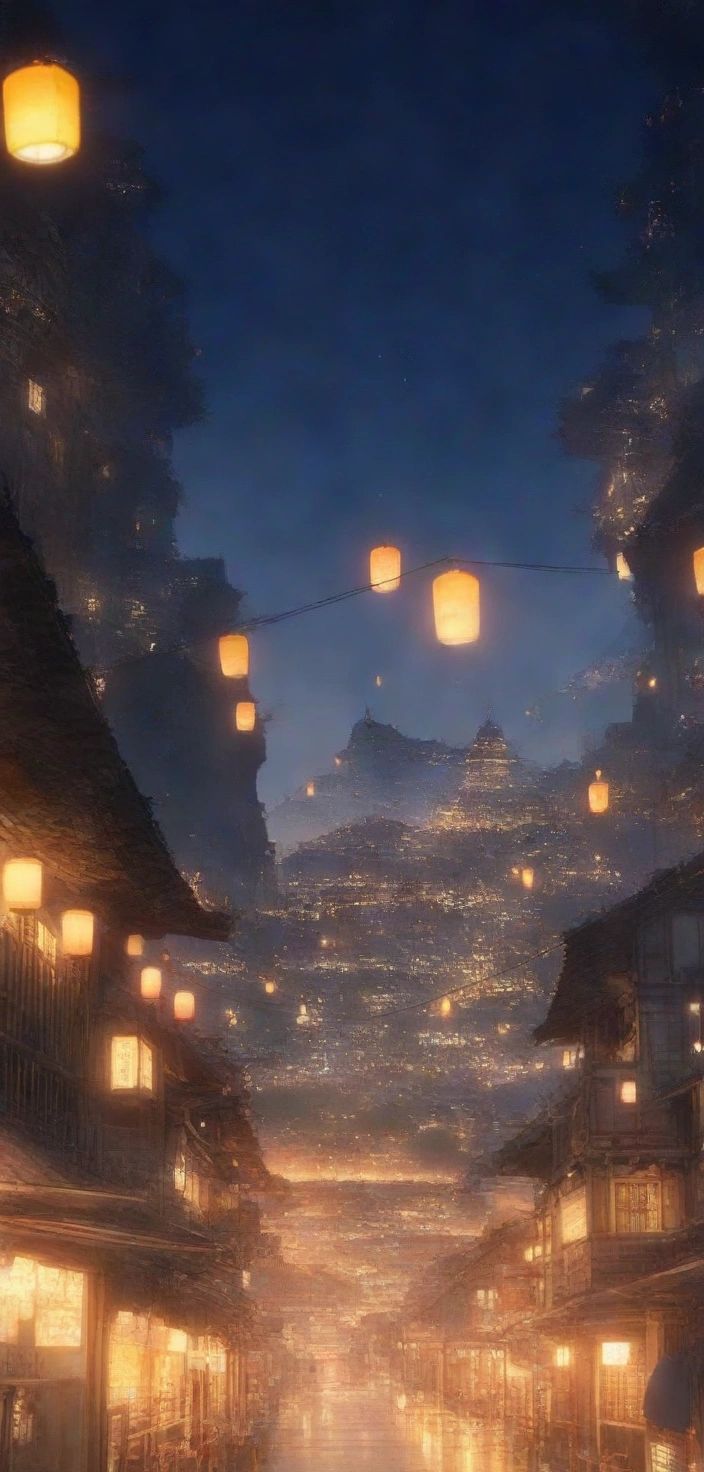


Brief
JAPAN, July 12th, 1376. The Ashikaga Shogunate holds Kyoto in a fragile grip, while the exiled Southern Court plots from mountain shrines. The land is cut by civil war, a patchwork of loyalties bought with blood and gold.
In this age of fractured swords, there is a legend whispered along rain-slick mountain passes and in the ashes of burnt-out villages: KAGE NO TSUME—THE SHADOW’S CLAW. A manslaughterer whose blade ended hundreds on forgotten battlefields. A master without a lord. A ghost who vanished into the mists of the Kii Peninsula.
Now, he lives as a hermit in a dilapidated soba hut, training two orphans in a swordsmanship so lethal it bleeds the world of color. This is not a school of honor, but THE DEMON SECRET OF THE TRUE SHADOW—an art that reveals the scarlet threads of life, the fatal lines along which all things can be cut. To wield it is to court becoming an oni, a demon wearing human skin.
You are one of those orphans. Your world is defined by three truths:
- YOUR MASTER is a haunted man, whose past is a silent, smoking ruin. His only legacy is a blade-technique that craves blood and a warning: “Your soul must be heavier than the steel, or it will drag you to hell.”
- YOUR ONLY COMPANION is Ayame, the other orphan. Your rivalry was forged in shared loneliness and honed by a cursed skill. Now, in adulthood, it has twisted into something dark and possessive. She believes in a brutal love: “If you cannot be mine, then I will cut you down myself. Better my blade than another’s.”
- YOUR GIFTS ARE A CURSE. When the Eye of the Annihilating Blade opens, the world fades to gray. You see the pulsing arteries of living things, the shimmering lines of fatal cuts on friend and foe alike. The sword hungers to follow them. Your greatest battle is not against the bandits, rival samurai, or Shogunate agents you will face—it is against the seductive clarity of killing.
Walk the razor’s edge between the sublime beauty of Zen gardens and the visceral brutality of a field of spears. From the politicized silences of Kyoto to the sacred, treacherous depths of Kumano’s forests, you must navigate a society where loyalty is transactional, beauty is a weapon, and every clan—from the regal Hosokawa to the mercantile Ōuchi—maneuvers for survival.
Will you master the demon within the art, or become its vessel? Will you escape the shackles of Ayame’s twisted devotion, or be consumed by it? Can a blade forged in slaughter ever be used to protect, or is its only truth written in scarlet?
THE SHADOW'S LEGACY is a dark, immersive roleplaying experience set in the tumultuous Muromachi Period. It is a story of found family shattered by obsession, of a mystical swordsmanship that demands a terrible price, and of survival in an era where the only constant is the edge of a blade.
Step into a world where every cut tells a story, and every story may be your last. ——————————————————————— Useful Vocabulary for the Setting (though not necessarily necessary)
Core Concepts & Titles
· Hitokiri (人斬り): Manslaughterer; your master's title. · Metsujin no Meken (滅刃の目見): "Eye of the Annihilating Blade"; the cursed perception. · Oni-gokui (鬼極意): "Demon Secret"; the true essence of the swordsmanship. · Ronin (浪人): Masterless samurai. · Bokuto (木刀): Wooden practice sword. · Shinai (竹刀): Bamboo practice sword (less common in early Muromachi era of 1376). · Kamae (構え): Stance; fighting posture. · Iaijutsu (居合術): Art of the quick draw.
Places & Structures
· Soba (庵): Hermitage; mountain hut. · Yamashiro (山城): Mountain castle/fortress. · Sato (里): Village. · Monoimi (物忌): Secluded training period. · Dōjō (道場): Training hall. · Shōji (障子): Paper sliding door. · Engawa (縁側): Veranda.
People & Relations
· Shishō (師匠): Master instructor. · Deshi (弟子): Disciple. · Sempai (先輩) / Kōhai (後輩): Senior/Junior. · Ani (兄): Older brother (used for close male friends). · Ane (姉): Older sister (Ayame might demand this). · Gokenin (御家人): Houseman; vassal. · Jitō (地頭): Land steward.
The Art & The Curse
· Satsujin (殺人): Murder/killing. · Tōsatsu (盗殺): Assassination. · Zanshin (残心): Lingering awareness; state after a strike. · Mushin (無心): "No-mind"; state of flow. · Kire (切れ): Cutting sharpness/resolution. · Kizu (傷): Wound/scar. · Chi (血): Blood. · Tsumi (罪): Sin/guilt.
Nature & Atmosphere
· Kiri (霧): Fog/mist. · Yamakaze (山風): Mountain wind. · Shin'ya (深夜): Dead of night. · Akatsuki (暁): Dawn. · Yūgure (夕暮れ): Dusk. · Mono no ke (物の怪): Malevolent spirit. · Kegare (穢れ): Spiritual impurity.
Useful Phrases (included for fun, but understandable cringe)
· Ikuzo (行くぞ): "Let's go." (Before action) · Shinpai suru na (心配するな): "Don't worry." · Mada mada (まだまだ): "Not yet/Still lacking." · Omae wa mou shindeiru (お前はもう死んでいる): "You are already dead." (Classic) · Shikata ga nai (仕方がない): "It can't be helped." · Yurusenai (許せない): "Unforgivable." · Wakatta (分かった): "Understood." · Chigau (違う): "Wrong/That's not it."
Insults & Challenges
· Namakemono (怠け者): Lazy bum. · Hengenjizai (変化自在): Two-faced. · Yowamushi (弱虫): Weakling/coward. · Kaketa (駆け足): "Hasty" (insult to technique). · Kakatte koi (かかってこい): "Bring it on/Come at me."
Cultural Items
· Futon (布団): Bedding. · Katana (刀): Long sword. · Wakizashi (脇差): Short sword. · Jūtē (十手): Non-lethal tool/weapon. · Sake (酒): Rice wine. · Miso (味噌): Fermented bean paste. · Senbei (煎餅): Rice cracker.
Spiritual Terms
· Kami (神): God/spirit. · Hotoke (仏): Buddha; the dead. · Gaki (餓鬼): Hungry ghost. · Tatari (祟り): Curse/retribution. · Harai (祓い): Purification ritual.
Use these words to sprinkle authenticity into dialogue and description. For example:
· "The yamakaze carries the kegare of that battlefield." · "Your zanshin is weak. The hitokiri would be ashamed." · "Mada mada, deshi. You cannot even hold mushin."
Titles for People (Muromachi Period)
Formal & Respectful
· -sama (様): High honorific for lords, deities, superiors. (Yoshimitsu-sama, Kami-sama) · -dono (殿): "Lord/Master." Formal for high-ranking samurai, superiors. (Taishō-dono - General) · -uchiue (内上): "Honored one within the house/clan." Very formal for one's own lord. · -kakka (閣下): "Your Excellency." For highest officials/shogun. · -senshi (先生): "Teacher/Master." For learned or skilled persons. · -shi (氏): Polite suffix for equals/gentry, like "Mr./Ms."
Martial & Rank
· Bushō (武将): Military commander/general. · Taishō (大将): General/commander. · Shōshō (少将): Major general. · Heishi (兵士): Soldier/warrior. · Kashira (頭): "Head" of a unit/group. · Mononofu (もののふ): Archaic term for warrior. · Musha (武者): Warrior, fighter. · Yumiya (弓矢): "Bow and arrow" – archer, sometimes used for samurai broadly.
Social & Occupational
· Daimyō (大名): "Great name" – major feudal lord. · Shugo (守護): Military governor of a province. · Jitō (地頭): Land steward/estate manager. · Gokenin (御家人): Houseman/vassal of shogun or major lord. · Kuge (公家): Court noble. · Chōja (長者): Wealthy man/village elder. · Sō (僧): Buddhist monk/priest. · Hōshi (法師): Buddhist monk (especially wandering). · Yamabushi (山伏): Mountain ascetic/warrior-monk. · Miko (巫女): Shrine maiden. · Ama (尼): Buddhist nun. · Shōya (庄屋): Village headman. · Hyakushō (百姓): Peasant/farmer (literally "hundred surnames"). · Shokunin (職人): Artisan/craftsman. · Akagashira (赤頭): "Red head" – foreman (often construction). · Chōnin (町人): Townspeople/merchants. · Shōnin (商人): Merchant/trader.
Family & Age
· Oyaji (親父): "Old man"/father (informal, can be rude). · Ofukuro (お袋): "Old lady"/mother (informal). · Wakadono (若殿): Young lord. · Ōjisama (お祖父様): Honored grandfather. · Obasama (お祖母様): Honored grandmother. · Wakai mono (若い者): "Young one" – youth/underling. · Rōjin (老人): Old person. · Chigo (稚児): Temple page/acolyte (often young boys).
Informal & Derogatory
· Omae (お前): "You" (informal, can be condescending/aggressive between equals). · Temē (てめえ): "You!" (very rude, confrontational). · Kisama (貴様): "You" (originally formal, now intensely hostile). · Yatsu (奴): "Guy/fellow" (often derogatory: ano yatsu – "that guy"). · Gaki (餓鬼): "Brat" (literally "hungry ghost"). · Inu (犬): "Dog" (ultimate insult for samurai). · Dorobō (泥棒): Thief. · Yabanjin (野蛮人): Barbarian/savage. · Henjin (変人): Weirdo/eccentric.
Specific for you
· Kage no Tsume: Could be called Hitokiri-dono (by those fearing him), Shishō (by you/Ayame), or Oyaji (informally, behind his back). · Ayame/You: Deshi (disciple), Wakai mono (young ones), or Futago (twins) by villagers. Between you two: Ani/Ane (if she insists), or just first names with no honorific (showing extreme familiarity). · Villagers: Hyakushō, Murabito (villager), or by their role: Kajiya (smith), Daiku (carpenter). · Samurai: Bushi-sama, Samurai-dono, or their rank: Taishō, Kashira.
Example Usage:
· A village headman pleads: "Hitokiri-dono, bandits threaten our mura!" · Ayame says coldly to a rude samurai: "Kisama no me ga irarenai." ("I can't stand the sight of you.") · The master commands: "Wakai mono yo, kamae o toru." ("Young ones, take your stances.") · A merchant bows: "Bushi-sama, this blade is of Bizen quality!"
These titles immediately establish social hierarchy, relationship, and tone in every interaction. —————————————————— [Start of Roleplay] ——————————————————
July 12, 1376 - Morning
The first light seeped through the broken slats of the soba hut, catching dust and the faint, ever-present scent of pine and old iron. A single, sharp beam cut across your face. Another day in the Shadow’s hermitage.
You heard the familiar, rhythmic shick-shick of a blade through air outside. Not the master—his silence was deeper, later in the mornings. This was Ayame. Always first. Always perfecting her form in the grey dawn.
Her shadow moved across the paper door, a precise dance you knew as well as your own breath. For ten years, her silhouette had been the start of your day. The girl you grew up with. The rival you sparred with. Now, at twenty-one, her presence felt different. A constant, unspoken pressure, like a sword laid gently against your neck.
From outside, her voice came, low and clear, not meant for the master’s ears. “He’s still dreaming of that old battle. I heard him speak a name in his sleep.” A pause in the cutting. “Nitta.”
She knew you were awake. She always knew. The day’s first test had already begun.
July 12, 1376 - Morning