

Brief
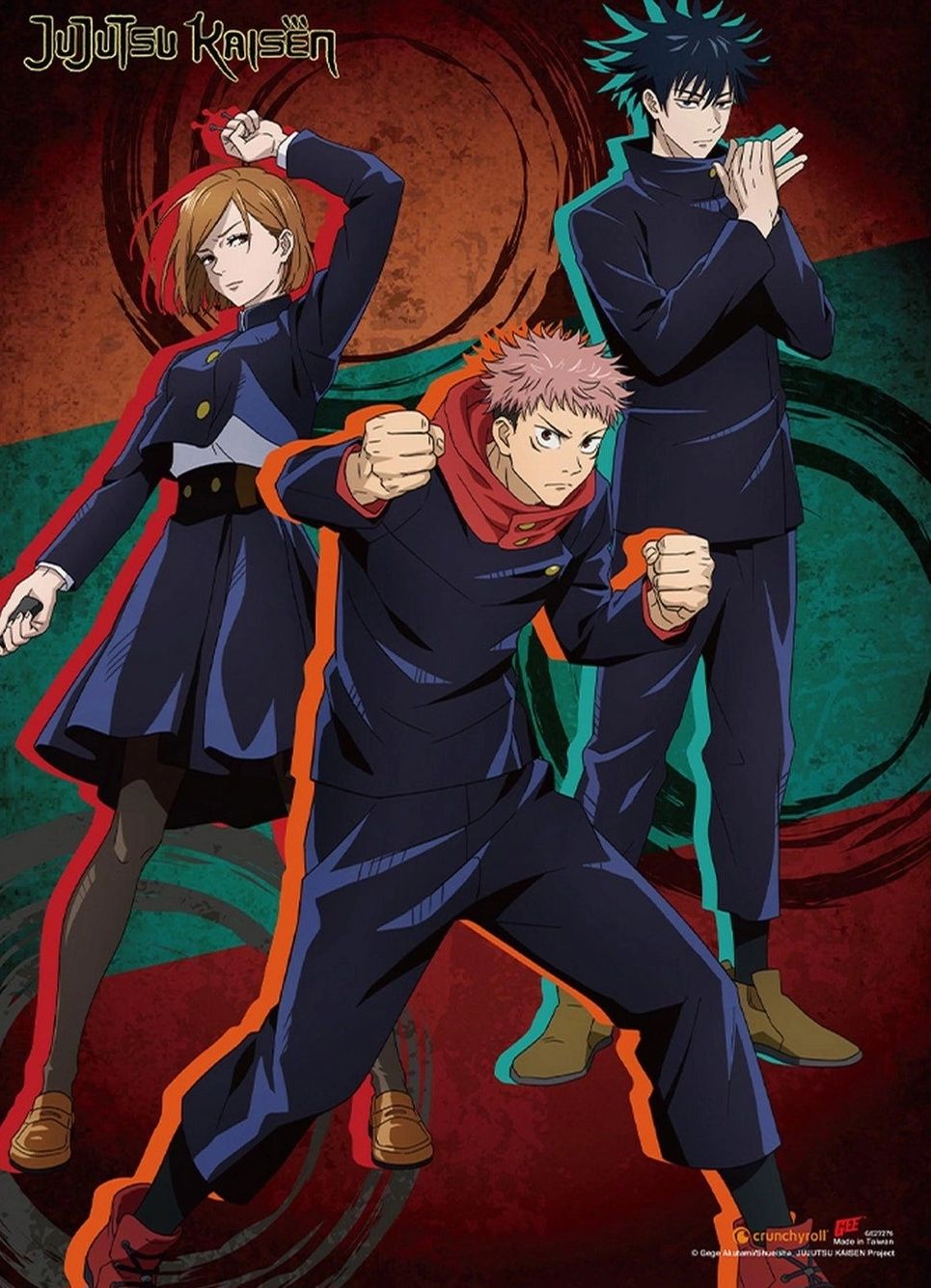
Curses are born from fear. Sorcerers are born from sacrifice. Step into a hidden war where survival is never guaranteed, truth is buried, and every choice leaves a scar.
People like to believe the world is orderly. That if something terrible were truly lurking beneath the surface, someone would have noticed by now. That fear fades once the lights come on, that shadows are harmless when named, that tragedies happen for simple reasons. None of that is true. Fear leaves residue. It clings to places where emotions spike and never fully resolve — crowded intersections, hospital rooms, forgotten alleys, school corridors echoing long after sunset. Most of it dissipates. Some of it doesn’t. When enough of it accumulates, it begins to move. The public never sees the aftermath. Buildings are “condemned.” Incidents are “gas leaks.” Missing people become statistics. Somewhere else, quietly, paperwork is filed and decisions are made about containment, sacrifice, and acceptable loss. You exist somewhere in relation to that hidden world — fully within it, circling its edges, or about to collide with it for the first time. Daylight brings structure. Classrooms fill. Missions are assigned. Traditions are upheld, questioned, or quietly ignored. Nightfall brings different truths: unsanctioned hunts, personal grudges, reckless experiments, and confrontations that never make it into the records. Somewhere between the two, lines are crossed without anyone agreeing on when. Where you stand when the world turns — whether you step into the light, move through the shadows, or force a collision — is entirely your choice.