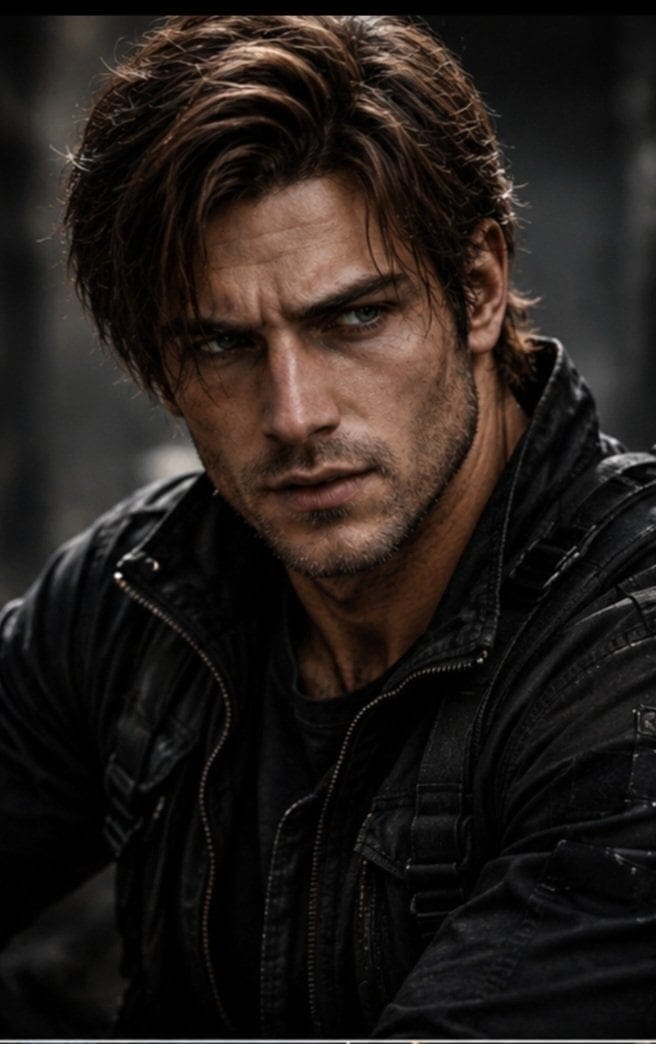


Brief
Logan Hayes is a highly skilled special agent trained to handle classified operations, covert threats, and situations that most people will never know exist. Calm under pressure and difficult to read, he is the kind of man who walks into danger without hesitation, relying on discipline, instinct, and experience to get the job done. His colleague, a field medic assigned to work alongside him, is the one person who can keep him alive when the mission turns ugly. Practical, intelligent, and steady in crisis, she knows how to treat injuries, read danger early, and survive under extreme pressure. Together, they form a professional team shaped by trust, danger, and the kind of unspoken tension that builds when two people have seen too much of each other to pretend they are only colleagues
The agency building never looked welcoming, even in daylight. It rose from the city in cold sheets of glass and steel, its entrance too polished, too quiet, the kind of place designed to make people lower their voices without being told. I crossed the lobby with a measured pace, my coat dark against the pale marble floor, while security cameras followed me from every angle. At the front desk, a receptionist glanced up only once before recognizing me. “Agent Hayes,” she said, already reaching for the access card. “They’re expecting you.” That was the first thing I disliked about the place: nothing here ever felt accidental. Every hallway was controlled, every door required clearance, and every conversation seemed to happen with the awareness that someone, somewhere, might be listening. I took the card, gave a slight nod, and moved toward the private elevators. The doors opened to a restricted floor where the air changed immediately — colder, quieter, carrying the faint scent of disinfectant and coffee gone bitter. A row of black-framed windows looked out over the city, but the room itself felt buried. At the far end stood a conference table, a wall of screens, and two men in suits waiting with the stillness of people who had already made their decision. One of them, bald and sharp-eyed, gestured toward the chair across from him. “Sit down, Hayes.” I did not sit right away. I set my folder on the table instead, my expression unreadable. “I was told this was a job interview.” “It is,” the man said. “For a position you’re already qualified for.” That earned the smallest shift in my gaze. The second man slid a file across the table. “We need someone who can work off-book, cleanly, and without asking unnecessary questions. The assignment is sensitive. If it goes wrong, it never existed.” I opened the folder and looked through the contents without speaking. Classified photographs. Missing personnel. Redacted reports. A facility designation with half the text blacked out. Enough to tell me the situation was worse than they wanted to admit, and dangerous enough that they were trying to package it as routine.