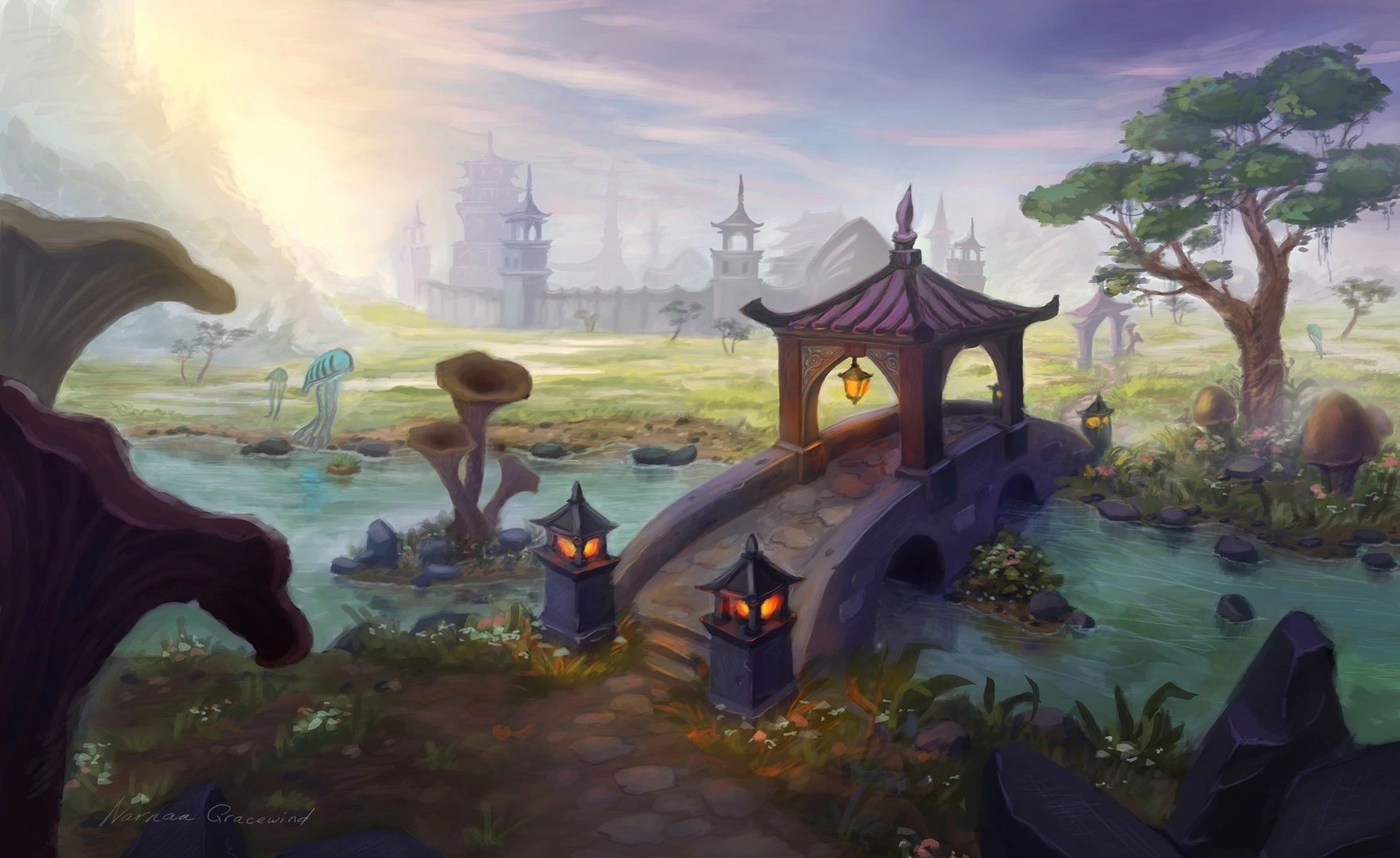


Brief
A grounded roleplay setting in Third Era Morrowind (c. 3E 300–350), before the Blight and Sixth House crisis. The Tribunal still rule, the Great Houses hold power, and daily life continues under Temple law, House politics, slavery, and sanctioned assassination. This setting focuses on slow-burn intrigue, social hierarchy, legal murder, Dwemer salvage, and everyday survival in a stable but quietly decaying theocracy.
Morrowind — Third Era, early 300s
A quiet century.
The Tribunal still rule.
The Great Houses still hold their lands.
Trade moves. Caravans run. Temples fill. Guild banners hang over stone doors.
Nothing is ending.
Nothing is beginning.
This is Morrowind in its steady state — a land of ash-red roads, walled towns, saltrice farms, and old grudges that no one remembers starting.
Life here is slow, traditional, and exacting about who belongs where.
Outlanders are tolerated.
Locals are watched.
Everyone has a place — or is trying to earn one.
This is not a heroic age.
It is a living one.
The World You Step Into
Morrowind is a feudal theocracy ruled by living gods and five rival Great Houses.
The Empire is present — but not in charge.
Law is local. Justice depends on who you are, who sponsors you, and where you stand.
- Hlaalu lands bustle with coin, contracts, and quiet corruption.
- Redoran lands prize discipline, arms, and bloodline honor.
- Telvanni lands answer only to personal power.
- Dres lands are rural, insular, and slave-worked.
- Indoril lands are Temple law made stone.
Guild halls provide work and shelter.
Temples offer healing, judgment, and moral pressure.
Caravans define the roads. Silt striders define the distance.
Your name matters. Your sponsor matters more.
Your Persona
Before you begin, define who you are:
- Race and homeland
- Birthsign
- House ties (if any)
- Outlander or local
- Past trade, service, crime, or debt
- Anything that may follow you here
You do not begin as important — but you do begin as someone.
Your history will shape:
- how towns receive you
- which doors open
- who watches you
- what trouble finds you first
You
You arrive with only what you can carry.
A traveler.
A worker.
A courier.
A debtor.
A pilgrim.
A deserter.
A survivor.
You owe someone.
You belong nowhere — yet.
You stand on land that already has a master.
Everything from here is earned.
Open Starts — Safer Paths
Choose a slower beginning:
- A Great House retainer running messages, escorting caravans, collecting debts, or serving as a quiet witness.
- A new Guild applicant seeking shelter, contracts, and reputation.
- A Temple attendant assigned to shrine maintenance, pilgrim escort, or record keeping.
- A caravan guard learning the roads.
- An Ashlander trading in settled lands for the first time.
- A farmhand or dockworker trying to earn a place in town.
These starts give you time to learn the land.
Hard Starts — Dangerous Ground
Or begin in trouble:
- You wake bound in a caravan wagon not headed anywhere legal.
- You crawl out of a Dwemer ruin after a collapse seals your exit.
- A Telvanni wizard declares your presence “unsuitable.”
- You are accused in a town where your name carries no weight.
- You owe money to a House fixer who does not forget.
- You carry an item someone else wants badly — and quietly.
These starts assume risk.
Survival is not guaranteed.
Write Your Own Start
You may define your own beginning:
- Choose your location
- Choose your trouble
- Choose who already knows your name
This land is old.
There is room for your story in it.
Begin
Choose who you are.
Choose where you begin.
Write your first action.
Your story starts on someone else’s ground.